Welcome to Long loong
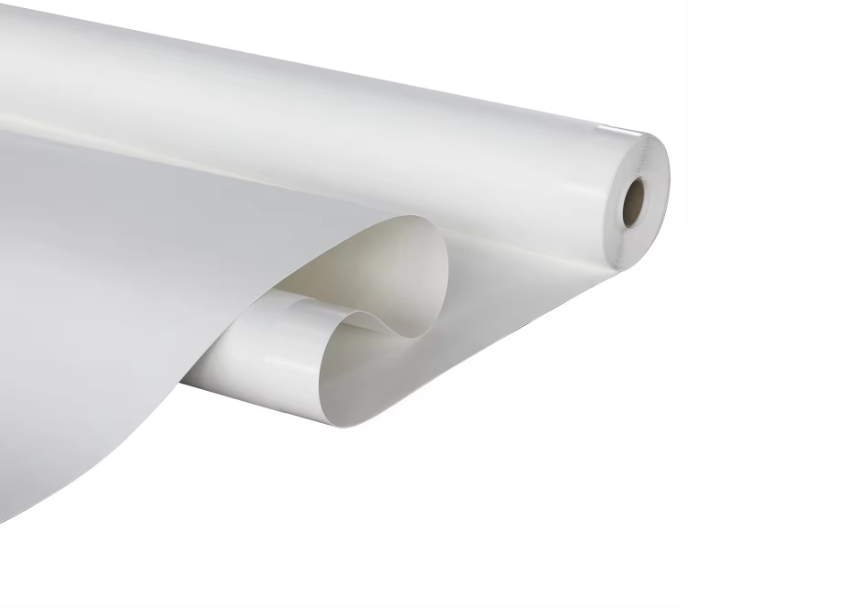
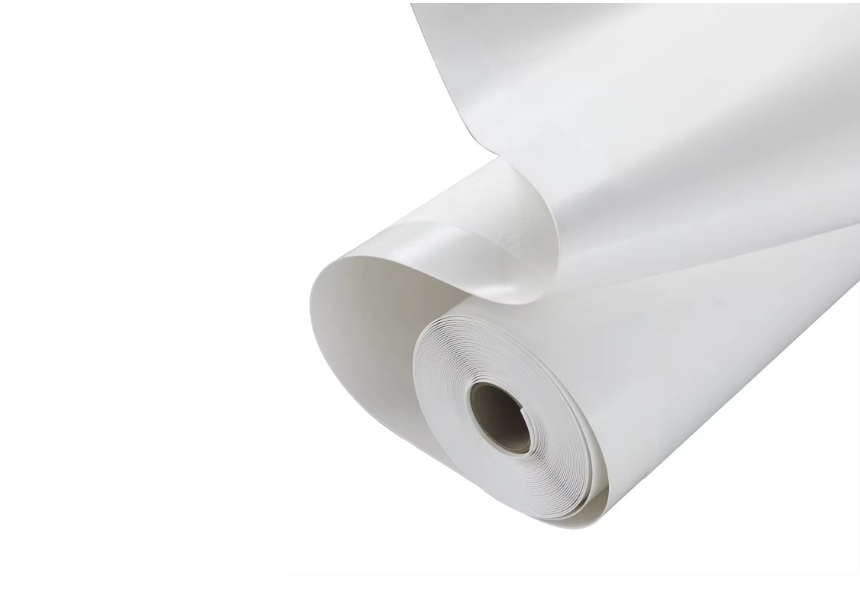
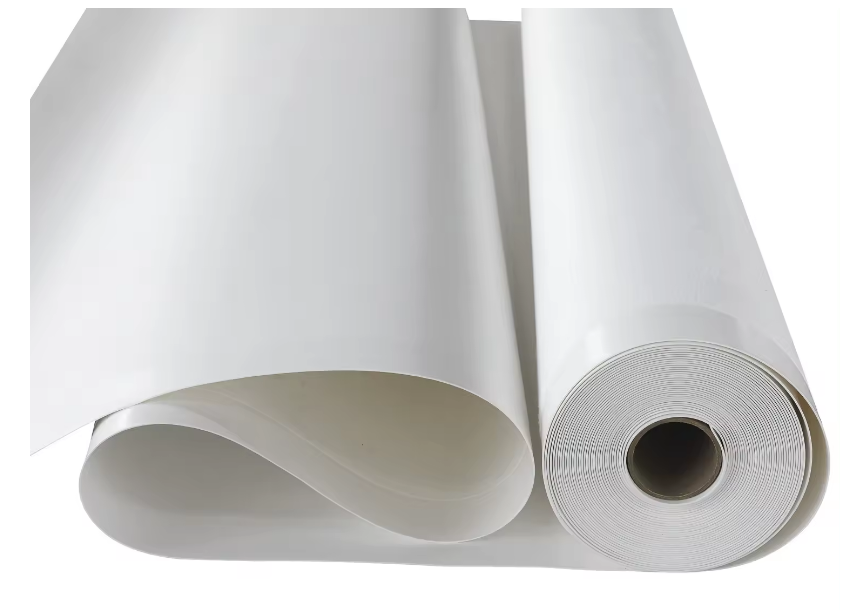
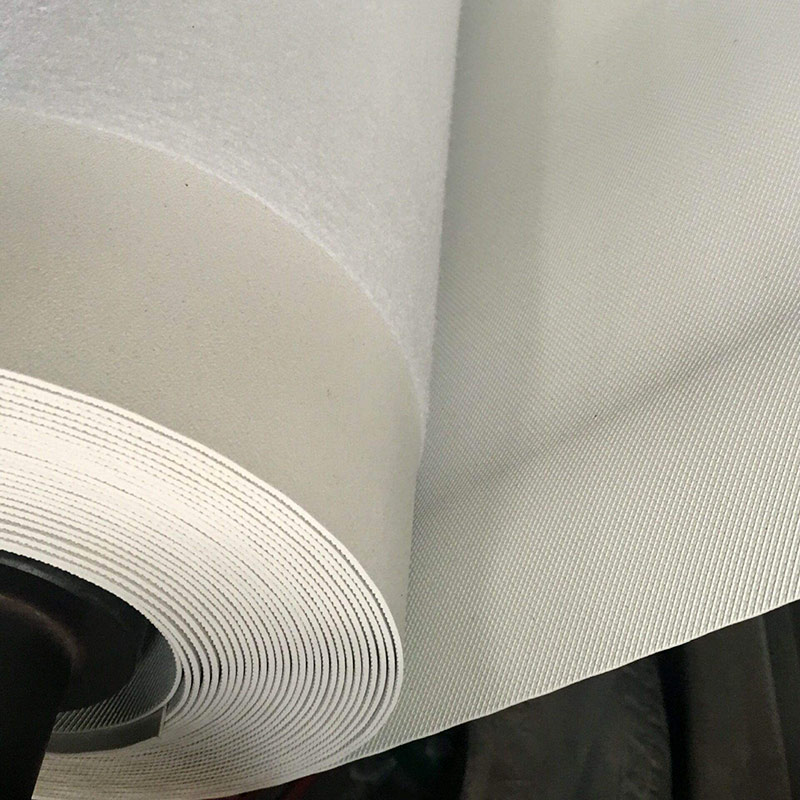
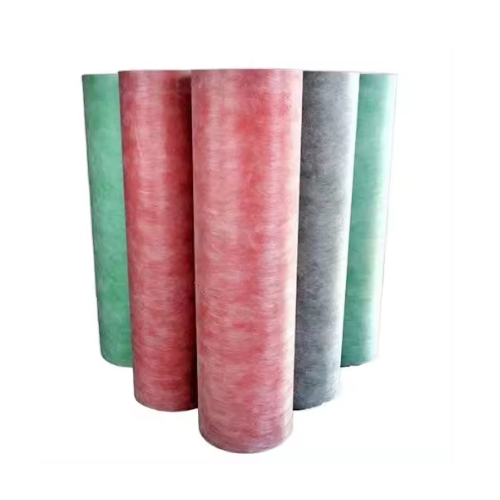
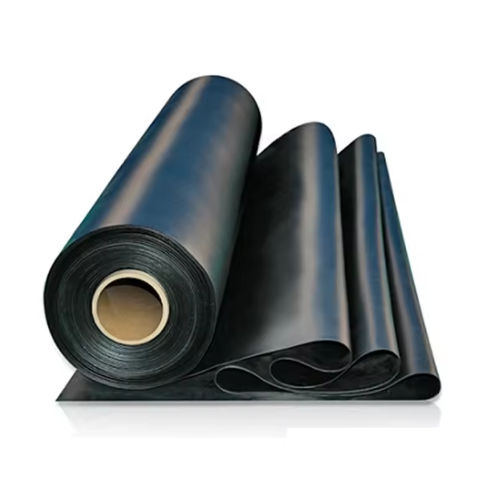
pvc polyvinyl chloride waterproof membrane
polyvinyl chloride waterproofing membrane introduction:
Polyvinyl chloride (PVC) waterproofing membrane is a kind of polymer waterproof material with excellent properties. It is made of advanced auxiliaries and advanced technology by adding various kinds of special auxiliaries and anti-aging components. The product has the characteristics of high tensile strength, high elongation, small shrinkage, good low temperature flexibility and long service life. The product has stable performance, reliable quality and convenient construction.
Polyvinyl chloride (PVC) waterproofing membranes applications:
1. Roofing Systems: PVC membranes are widely used for waterproofing flat roofs, green roofs, and low-slope roofs in both commercial and residential buildings. They provide excellent protection against water ingress, UV radiation, and weathering, extending the lifespan of the roofing system.
2. Below-Grade Waterproofing: PVC membranes are used to waterproof below-grade structures such as basements, underground parking garages, and foundations. They create a barrier against groundwater infiltration, protecting the structure from moisture damage and mold growth.
3. Tunnels and Infrastructure: PVC waterproofing membranes are employed in the construction of tunnels, subway stations, bridges, and other infrastructure projects to prevent water penetration and corrosion of structural elements. They offer long-term protection in demanding environments.
4. Landfill Liners: PVC geomembranes are used as liners in landfill sites to contain and isolate hazardous waste materials, preventing leachate from contaminating soil and groundwater. PVC liners are resistant to chemicals and puncture, ensuring environmental safety and regulatory compliance.
5. Pond Liners: PVC membranes are used to line artificial ponds, lakes, and water reservoirs in landscaping, aquaculture, and agricultural applications. They create a watertight seal, preventing water seepage and promoting water conservation.
6. Swimming Pools: PVC membranes are utilized as waterproofing liners in swimming pools, water features, and water parks. They provide a durable and hygienic surface that withstands constant exposure to chlorinated water and UV radiation.
7. Tank Linings: PVC membranes are used to line tanks, reservoirs, and containment structures for storing liquids such as water, chemicals, and wastewater. They offer resistance to corrosion, abrasion, and chemical exposure, ensuring the integrity of the storage system.
8. Green Roofs and Garden Roofs: PVC membranes are employed in green roof systems to provide waterproofing protection beneath vegetative layers. They contribute to stormwater management, energy efficiency, and environmental sustainability in urban developments.
9. Concrete Protection: PVC waterproofing membranes can be used as a
These are just a few examples of the diverse applications of polyvinyl chloride (PVC) waterproofing membranes across different industries and construction projects. Their versatility, durability, and cost-effectiveness make them a popular choice for waterproofing solutions worldwide.
polyvinyl chloride waterproofing membrane advantages:
1.Long service life, aging resistance, roof materials can be used for more than 20 years, underground up to 50 years.
2.High tensile strength, high elongation and small size change of heat treatment.
3.Good flexibility at low temperature and good adaptability to environmental temperature difference.
4.It can be used as planting roof.
5.Good perforation resistance.
6.It is convenient for construction, can be welded, firm and reliable, and has no pollution.
7.It has strong chemical corrosion resistance and is suitable for special occasions.
8.It has good plasticity and convenient processing of corner details.
9.Convenient maintenance. The cost is low.
Installing polyvinyl chloride waterproofing membrane waterproof steps:
1.Clean and prepare the construction surface, ensuring it is smooth, dry, clean, free of debris, dust, or oil.
2. Based on design requirements and construction drawings, locate and mark the positioning of PVC waterproofing rolls to determine the laying position and dimensions.
3. If necessary, lay down a base waterproofing material, such as waterproof asphalt membrane or waterproof coating, as a foundation layer to enhance waterproofing effectiveness.
4. Apply an appropriate adhesive or bonding agent evenly on the construction surface or directly on the backside of the PVC waterproofing membrane.
5. Lay the PVC waterproofing rolls according to markings, starting from one side and extending to the other side, ensuring sufficient overlap at the edges and keeping the membrane surface flat to avoid wrinkles or bubbles.
6. For overlapping seams of PVC waterproofing rolls, use a hot air gun for heat fusion welding to ensure tight bonding and form a complete waterproof layer.
7. Treat the edges of PVC waterproofing rolls, such as folding, welding, or bonding, to ensure tight adherence to the construction surface and form a seal.
8. Address construction detail areas such as pipe penetrations, corners, and roof drains using special waterproofing methods to ensure overall waterproofing effectiveness.
9. After completing the installation of PVC waterproofing rolls, conduct a comprehensive inspection to identify issues such as leaks, bubbles, or seam misalignment, and promptly correct and address them.
10. Apply a protective layer, such as protective film or boards, on top of the PVC waterproofing layer as needed to protect it from damage and contamination.
11. Upon completion of PVC waterproofing layer construction, conduct acceptance checks to ensure the waterproofing effectiveness meets design requirements and construction standards, then proceed with handover and settlement.
Technical Data:
No. | Item | H | L | P | G | GL | |
1 | The thickness of resin on reinforcement (mm) ≧ | — | 0.4 | ||||
2 | Tensile strength | Max Tension strength (N/cm) ≧ | - | 120 | 250 | - | 120 |
Tensile strength (Mpa) ≧ | 10.0 | - | - | 10.0 | - | ||
Elongation at Max. tension (%)≧ | - | - | 15 | - | - | ||
Elongation at break (%) ≧ | 200 | 150 | - | 200 | 100 | ||
3 | Dimensional stability after heat treatment (%)≦ | 2.0 | 1.0 | 0.5 | 0.1 | 0.1 | |
4 | Foldability at low temperature | -25℃ No cracks | |||||
5 | Watertightness | 0.3Mpa, 2H, impermeable | |||||