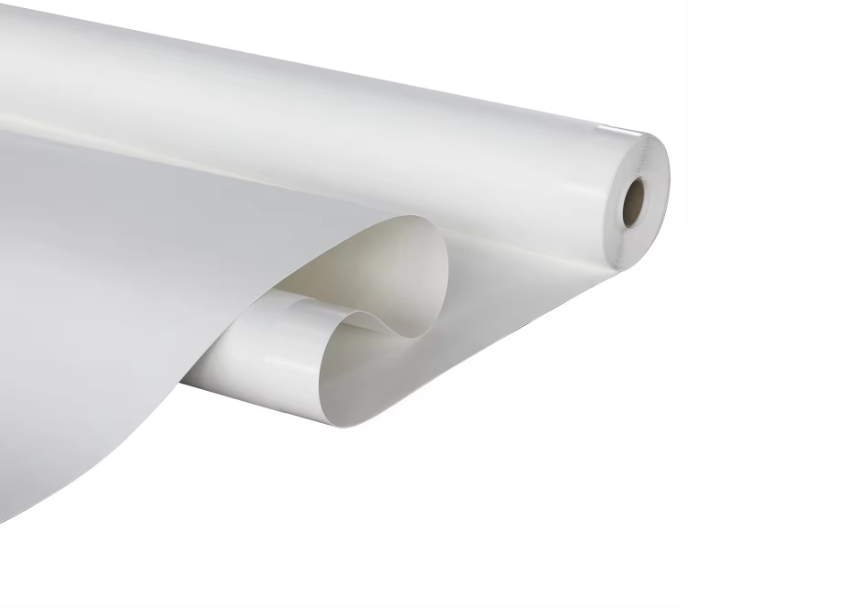
Welcome to Long loong
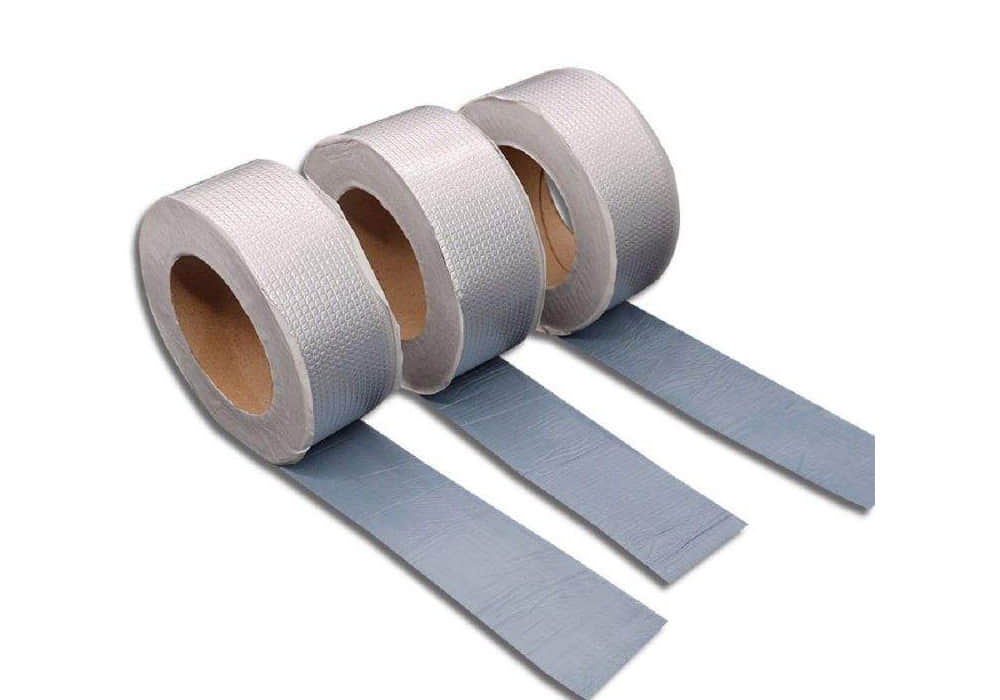
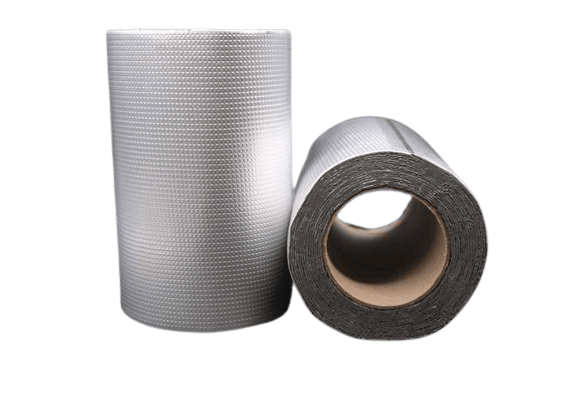
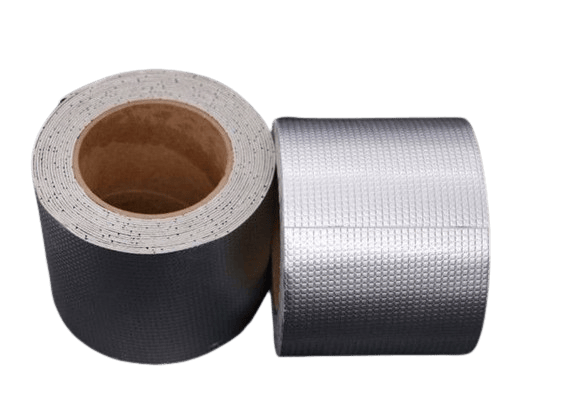
Butyl Sealing Tape Manufacturer
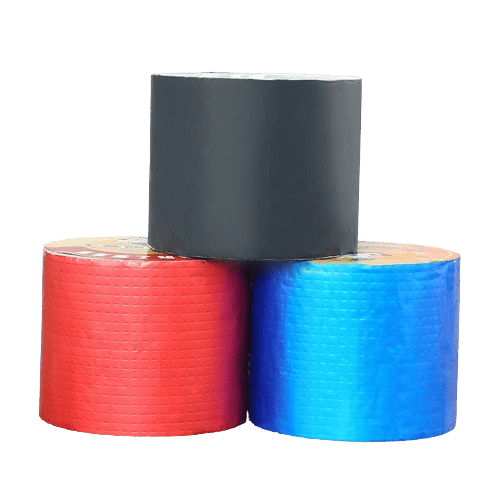
Butyl sealing tape from Long Loong
Cangzhou Long Loong Building Materials Co., Ltd. is a building-materials manufacturer supplying butyl sealing tape to importers, distributors and project buyers. This single-sided self-adhesive tape combines an aluminum-facing laminate, a butyl rubber adhesive layer and a protective release liner. Applications listed below include roof flashing, gutters, cladding, caravan panels and HVAC repairs.
Request a butyl tape quotation with your application, substrate, required quantity and delivery destination.
Butyl tape introduction:
Aluminum single sided self adhesive butyl rubber tape is an exclusive laminate of reflective aluminum foil, rugged, cross-linked polymer films, and a thick layer of butyl rubber. The butyl compound adheres to most surfaces and seals around most punctures, forming a protective waterproof barrier. A high-quality release liner is applied to protect the adhesive surface until installation.
Butyl tape Applications:
1.Heating, ventilation, and air conditioning (HVAC) systems - sealing leaking pipes and chambers
2.Caravans - for sealing leaking panels
3.The building & construction industry - flashing, repairing gutters and downpipes
4.Conservatory construction and repair - flashing the roof and sealing T-bars
5.Roofing & cladding - flashing off roofs
6.As pond liner repair tapes
Butyl tape advantages:
1.Excellent adhesion to a wide range of substrates
2.For roofing, waterproofing, patching, and repair
3.Adheres directly to the roof deck or substrate
4.Highly conformable sealing all surfaces
5.Remains flexible throughout service life
6.Excellent air and water seal
7.Excellent weather resistance
8.No melt in hot weather or hardening in cold weather
9.Anti-UV and aging. Long service life
10.Eco-friendly, No toxic or odor.
11.Aluminum surface reflects heat lowering utility costs
12.Easy to install, low cost and labor-saving
13.Tough and durable − puncture and abrasion resistant
14.Requires no coating or covering for exposure to sunlight
Installing butyl tape steps:
1. Surface Preparation: Clean the application surface thoroughly to remove any dust, grease, moisture, or other contaminants. The surface should be dry and free of any loose particles to ensure optimal adhesion.
2. Measurement and Cutting: Measure the required length of butyl tape according to the application area. Cut the tape to the desired length using a sharp utility knife or scissors.
3. Application: Peel off the release liner from the butyl tape to expose the adhesive side. Carefully align the tape to the desired position on the application surface. Press down firmly along the length of the tape to ensure full contact and eliminate air bubbles.
4. Pressing: Use a roller or a similar tool to press the tape onto the surface firmly. This helps in achieving a better bond and ensures that the tape conforms to any irregularities on the surface.
5. Sealing Joints and Overlaps: When applying butyl tape to joints or where two surfaces meet, ensure that the tape overlaps adequately to provide a continuous seal. For larger applications, overlap the ends of each tape strip by at least 1 inch (2.5 cm).
6. Finishing: Once the tape is applied, inspect the area to ensure complete adhesion and no air pockets. Press down or roll over any areas that seem loose or unattached.
7. Curing: Allow the tape to bond and cure according to the manufacturer's recommendations. Avoid disturbing or putting stress on the taped area during this period.
Note: Always follow the specific instructions provided by the butyl tape manufacturer, as some products may have unique properties or application requirements. It's also advisable to perform a small test application to ensure compatibility with the surface material and overall satisfaction with the product's performance.
Butyl tape purchasing questions
What type of tape is described on this page?
It is aluminum-faced, single-sided self-adhesive butyl rubber tape. The release liner protects the adhesive before application. Include a photo or sample reference in your enquiry so the quoted tape matches the product you need.
What should an importer confirm before ordering?
State the surface material, repair or sealing task, required tape size, quantity, packaging preference, destination and delivery schedule. Ask for the product instructions and confirm suitability for the actual surface before bulk ordering.
Can this tape be used with an EPDM membrane?
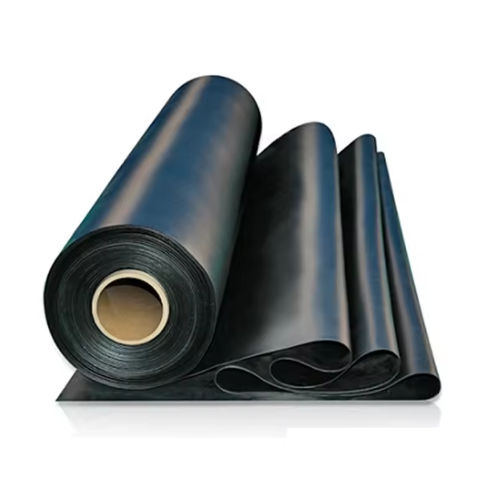
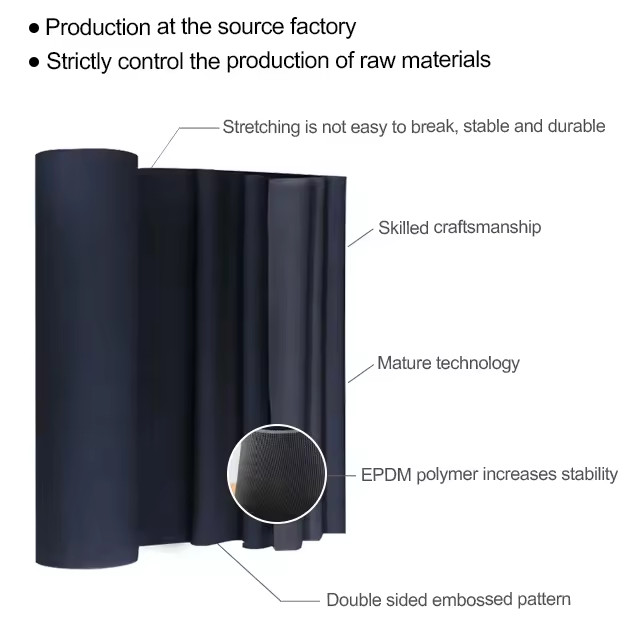
Do not assume that every tape is suitable for every membrane or seam. If your project uses EPDM waterproof membrane, identify the membrane and joint detail and ask for a compatible, documented solution.
For distribution planning, read our butyl sealing tape order guide. Contact Long Loong to discuss your purchasing requirements.