Welcome to Long loong
SBS Waterproofing Membrane: How Buyers Match Torch, Self-Adhesive and Surface Finish
“SBS waterproof membrane” is not one single construction. For a project buyer, the useful questions are how the membrane will be installed, which reinforcement carrier is required, and what surface finish will remain after the roll is laid. These choices affect the enquiry, packing discussion and installation documents.
Longloong’s SBS Modified Bitumen Waterproofing Membrane range is presented for importers, distributors, contractors and project procurement teams. The product page lists torch-applied and self-adhesive options, polyester and fiberglass reinforcement, and PE film, sand and mineral surface choices.
Choose the installation method first
Torch-applied SBS membrane is designed for heat bonding by trained installers. It is commonly considered for roof waterproofing, renovation and systems where a fully bonded bituminous layer is specified. A PE film bottom surface can be supplied for torch application. Open-flame work must follow the project method statement, local fire rules and site controls.
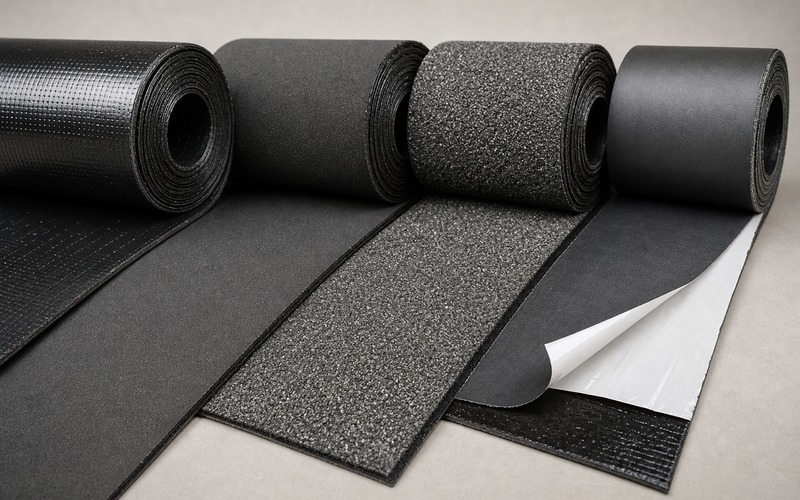
Self-adhesive SBS membrane uses a removable release liner and is considered when a flame-free method is preferred. The substrate should be clean, dry and stable, with a compatible primer when required by the system design. A buyer should state the flame restrictions and substrate condition in the enquiry rather than leaving the choice to a generic product name.
Match the reinforcement to the handling and design needs
The page lists polyester felt (PY), fiberglass felt (G) and project-specific constructions. Polyester is discussed where flexibility, tensile performance and resistance to construction handling matter. Fiberglass is listed where dimensional stability is a key purchasing consideration. The final carrier and structure should be confirmed against the project standard and intended application.
Specify the top and bottom surface separately
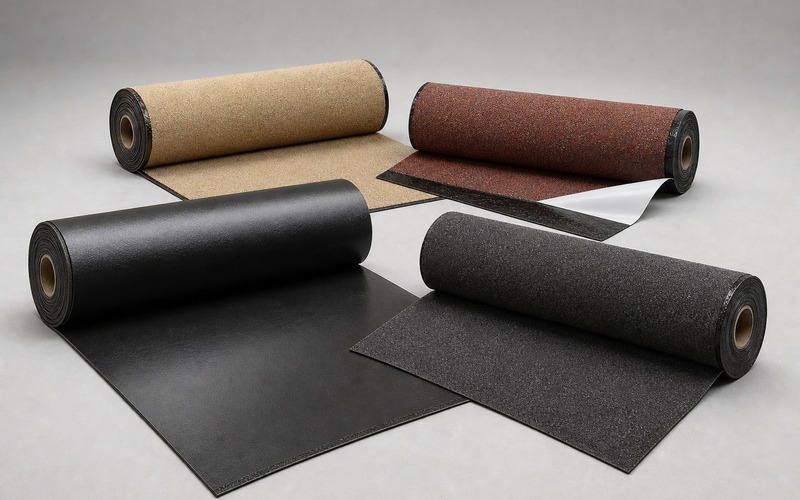
Available directions include PE film or a smooth surface, fine sand, mineral or slate granules, and colored mineral granules. A concealed layer and an exposed cap sheet may need different finishes. Tell the supplier whether the roll will be exposed, covered by another layer, or used with a particular next system layer. For root-resistant construction, the required test standard and full system design should be confirmed before ordering.
Include packing and labelling in the same enquiry
For wholesale and distributor orders, the product page notes OEM/ODM labelling, packing discussion and technical document needs. Send the destination country, label language, application area, installation method, reinforcement, top and bottom surfaces, required standard, quantity and packing requirements. These details give the manufacturer a usable order brief and reduce revisions after quotation.
A practical SBS enquiry checklist
Torch-applied or self-adhesive installation
Roof, renovation, podium, basement or underground use
Polyester, fiberglass or project-specific reinforcement
PE film, sand, mineral, slate or colored granule finish
Exposed or concealed application
Required test standard and technical documents
Wholesale packing, OEM/ODM or distributor labelling
Send the approved construction details through the Longloong enquiry channel before comparing SBS membrane quotations.
“SBS waterproof membrane” is not one single construction. For a project buyer, the useful questions are how the membrane will be installed, which reinforcement carrier is required, and what surface finish will remain after the roll is laid. These choices affect the enquiry, packing discussion and installation documents.
Longloong’s SBS Modified Bitumen Waterproofing Membrane range is presented for importers, distributors, contractors and project procurement teams. The product page lists torch-applied and self-adhesive options, polyester and fiberglass reinforcement, and PE film, sand and mineral surface choices.
Choose the installation method first
Torch-applied SBS membrane is designed for heat bonding by trained installers. It is commonly considered for roof waterproofing, renovation and systems where a fully bonded bituminous layer is specified. A PE film bottom surface can be supplied for torch application. Open-flame work must follow the project method statement, local fire rules and site controls.
Self-adhesive SBS membrane uses a removable release liner and is considered when a flame-free method is preferred. The substrate should be clean, dry and stable, with a compatible primer when required by the system design. A buyer should state the flame restrictions and substrate condition in the enquiry rather than leaving the choice to a generic product name.
Match the reinforcement to the handling and design needs
The page lists polyester felt (PY), fiberglass felt (G) and project-specific constructions. Polyester is discussed where flexibility, tensile performance and resistance to construction handling matter. Fiberglass is listed where dimensional stability is a key purchasing consideration. The final carrier and structure should be confirmed against the project standard and intended application.
Specify the top and bottom surface separately
Available directions include PE film or a smooth surface, fine sand, mineral or slate granules, and colored mineral granules. A concealed layer and an exposed cap sheet may need different finishes. Tell the supplier whether the roll will be exposed, covered by another layer, or used with a particular next system layer. For root-resistant construction, the required test standard and full system design should be confirmed before ordering.
Include packing and labelling in the same enquiry
For wholesale and distributor orders, the product page notes OEM/ODM labelling, packing discussion and technical document needs. Send the destination country, label language, application area, installation method, reinforcement, top and bottom surfaces, required standard, quantity and packing requirements. These details give the manufacturer a usable order brief and reduce revisions after quotation.
A practical SBS enquiry checklist
Torch-applied or self-adhesive installation
Roof, renovation, podium, basement or underground use
Polyester, fiberglass or project-specific reinforcement
PE film, sand, mineral, slate or colored granule finish
Exposed or concealed application
Required test standard and technical documents
Wholesale packing, OEM/ODM or distributor labelling
Send the approved construction details through the Longloong enquiry channel before comparing SBS membrane quotations.