Welcome to Long loong
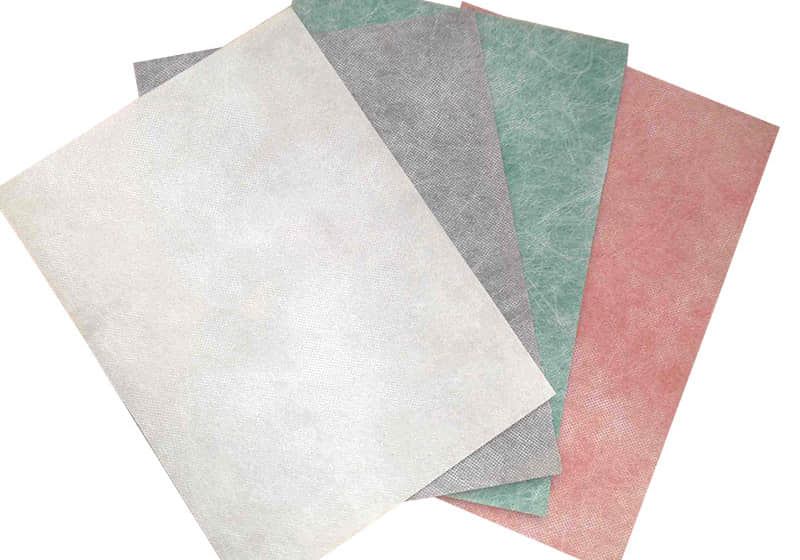
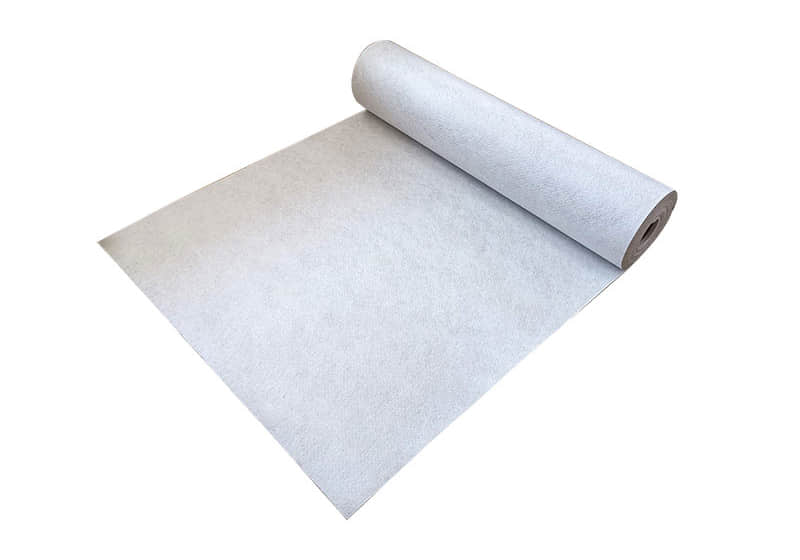
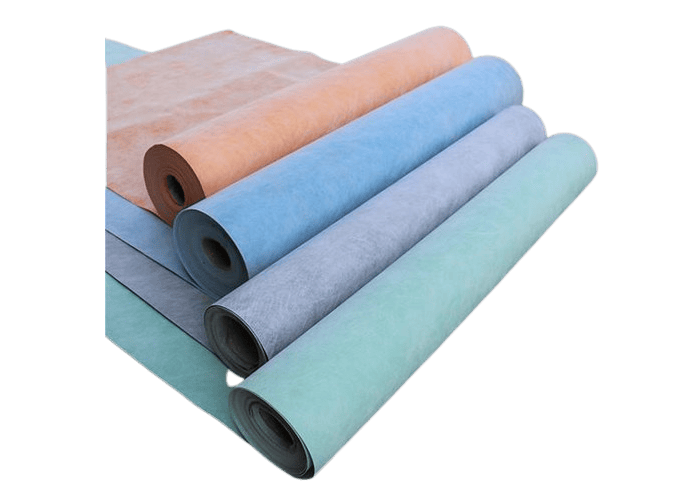
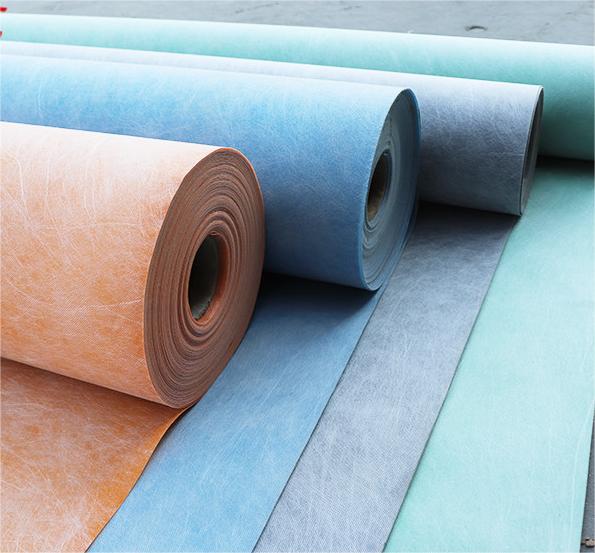
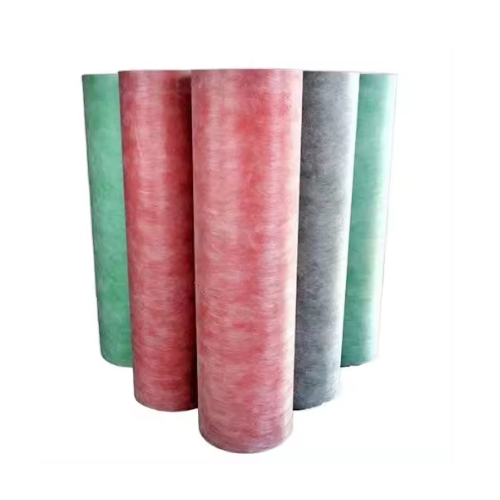
pe-pp composite waterproof membrane
PE / PP COMPOSITE WATERPROOFING MEMBRANE introduction
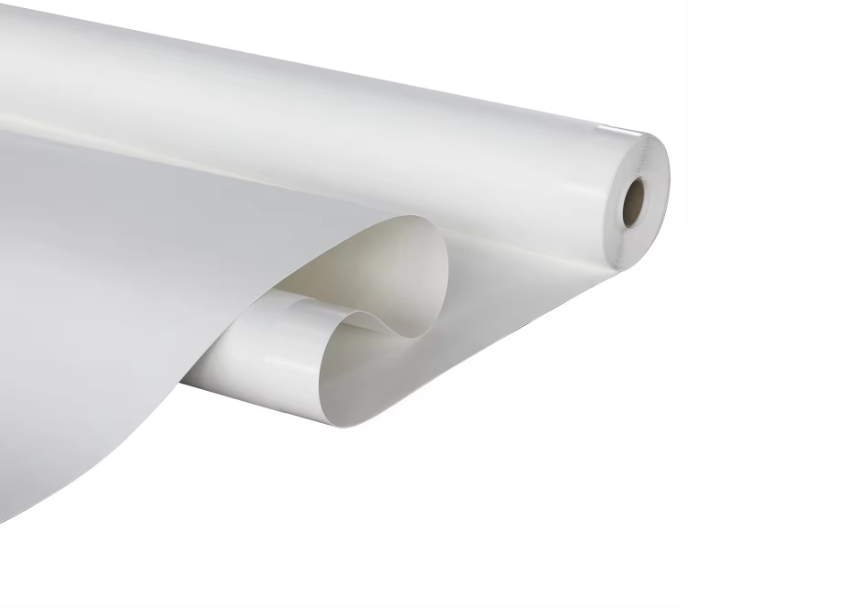
PE / PP COMPOSITE WATERPROOFING Membrane is composed of polyethylene, high-strength (propylene/polyester) non-woven fabric, ultraviolet light-shielding agent, anti-aging agent and other macromolecule raw materials with the changes of their physical and chemical characters, and produced by automatic and single extrusion molding processing production line. The surface of the membrane are reinforced with adhesive layers, and the middle of the membrane is composed of a waterproof layer and an anti-aging layer.
PE / PP COMPOSITE WATERPROOFING MEMBRANE application :
PE / PP COMPOSITE waterproof membrane is widely used in various types of industrial, civil construction roofing, basement, kitchen and toilet, storage tanks, water conservancy, dams, mines, tunnels, bridges as well as culverts, subways, metallurgical and chemical projects for impervious, moisture-proof and waterproofing.
PE / PP COMPOSITE WATERPROOFING MEMBRANE advantages:
1.Durability: These membranes are designed to withstand harsh weather conditions, UV exposure, and chemical exposure, ensuring long-term performance.
2.Waterproofing: The primary function of these membranes is to provide effective waterproofing for various applications such as roofs, basements, foundations, tunnels, and more. They create a barrier that prevents water infiltration, protecting the underlying structures.
3.Flexibility: PE/PP composite membranes are typically flexible, allowing them to conform to irregular surfaces and movements in the substrate without compromising their integrity. This flexibility helps in accommodating structural movements without cracking or tearing.
4.Resistance to Chemicals: They exhibit resistance to a wide range of chemicals, making them suitable for applications where exposure to chemicals or pollutants is expected, such as industrial sites, wastewater treatment plants, or chemical storage areas.
5.Ease of Installation: These membranes are often designed for easy installation, whether by adhesive bonding, heat welding, or other methods. Their flexibility and lightweight nature can contribute to faster and more cost-effective installation compared to rigid materials.
6.Low Maintenance: Once installed, PE/PP composite membranes typically require minimal maintenance, reducing the need for frequent inspections and repairs.
7.Environmentally Friendly: Many of these membranes are manufactured using recyclable materials, contributing to sustainability efforts in construction projects. Additionally, their long lifespan reduces the need for replacements, further reducing environmental impact.
8.Versatility: PE/PP composite membranes are versatile and can be used in various applications, including horizontal and vertical surfaces, above and below ground, and in both new construction and retrofit projects.
9.Root Resistance: Some PE/PP composite membranes are designed to resist root penetration, making them suitable for green roofs or areas where vegetation is present.
Installing PE / PP COMPOSITE WATERPROOFING MEMBRANE steps:
1. Clean the base surface.
2. Moisten the ground with water.
3. Pour dry glue powder into water and stir well, then pour it into cement and mix well. (Glue powder: water: cement = 1 bag: 150 kg: 150 kg)
4. Pour the mixed mortar onto the ground and spread it evenly, then lay the steps and press them down.
5. After laying the cloth, apply a layer of mixed cement mortar on top.
Precautions:
1. The protective layer should be 2-3 centimeters thick.
2. If laying pipelines, apply waterproof coating or leak-proof sealant first before laying the polypropylene.
Transportation & Storage
1. The packing should be kept intact and free from damage during storage and normal warranty is one year without damage.
2. The storage height must not exceed five packaging membranes heights and be placed on a ventilated, cool, and dry horizontal floor.
3. No contact with acids, alkalis, oils, organic solvents, etc.
Technical Data:
DS of PE/PP Waterproofing Membrane (Standard GB18173.1-2012) | |||
S/N | Item | Index (FS2) | |
1 | Fracture tensile strength | Normal temperature (23℃) | ≥60 N/cm |
High temperature (60℃) | ≥30 N/cm | ||
2 | Elongation rate at break | Normal temperature (23℃) | ≥400% |
Low temperature (-20℃) | ≥300% | ||
3 | Tearing strength | ≥50N | |
4 | Watertightness (0.3Mpa) 30min | No leakage | |
5 | Low temperature bending | -20℃ No crack | |
6 | Heating expansion | Extension | ≤ 2 mm |
Shrink | ≤ 4 mm | ||
7 | Hot air aging=(80℃*168h) | Tensile strength retention rate | 80% |
Elongation rate at break | 70% | ||
8 | Alkali resistance | Tensile strength retention rate | 80% |
Elongation rate at break | 80% | ||
9 | Ozone aging (40℃*168h),200*10-8 Elongation 20% | - | |
10 | Artificial climate aging | Tensile strength retention rate | 80% |
Elongation rate at break | 70% | ||
11 | Peeling adhesive strength (membrane -membrane) | Standard test condition | 1.5N/cm |
Water immersion retention rate (23℃*168h) | ≥70% | ||
12 | Composite strength (surface and base) | 0.8 MPa | |
Note: If the membrane thickness is less than 1.0mm, the elongation rate at break shall not be less than 50% and the performance data of other properties shall be over 80% of the test requirement. | |||