Welcome to Long loong
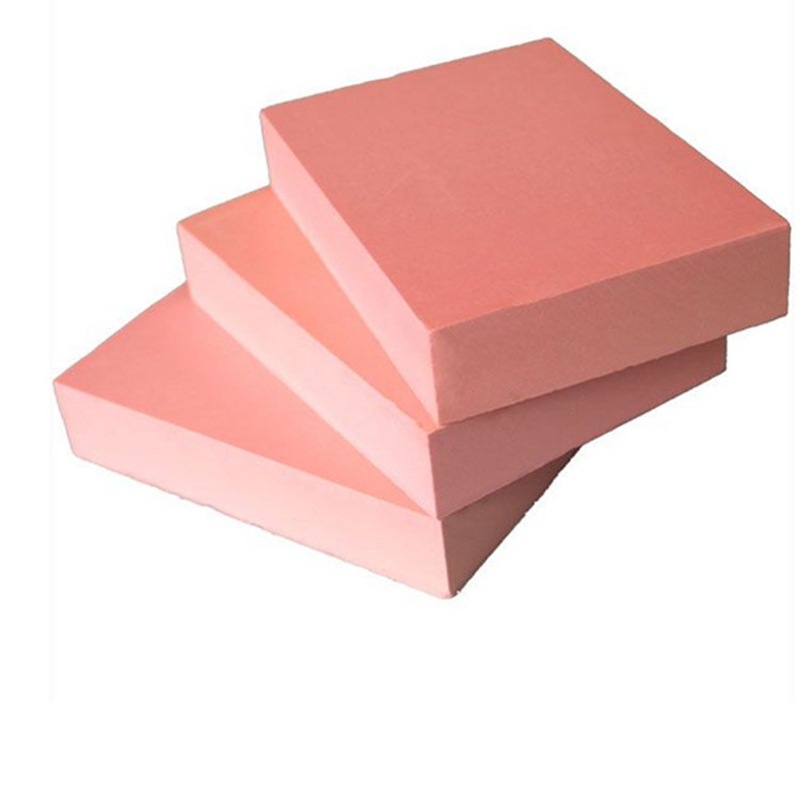
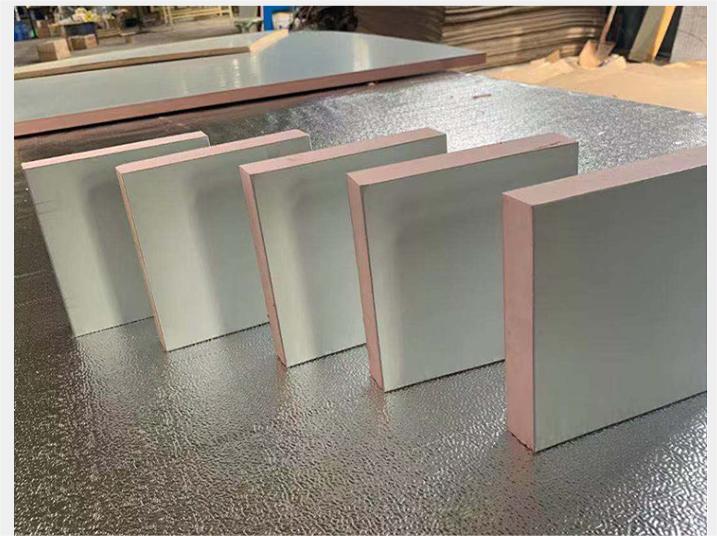
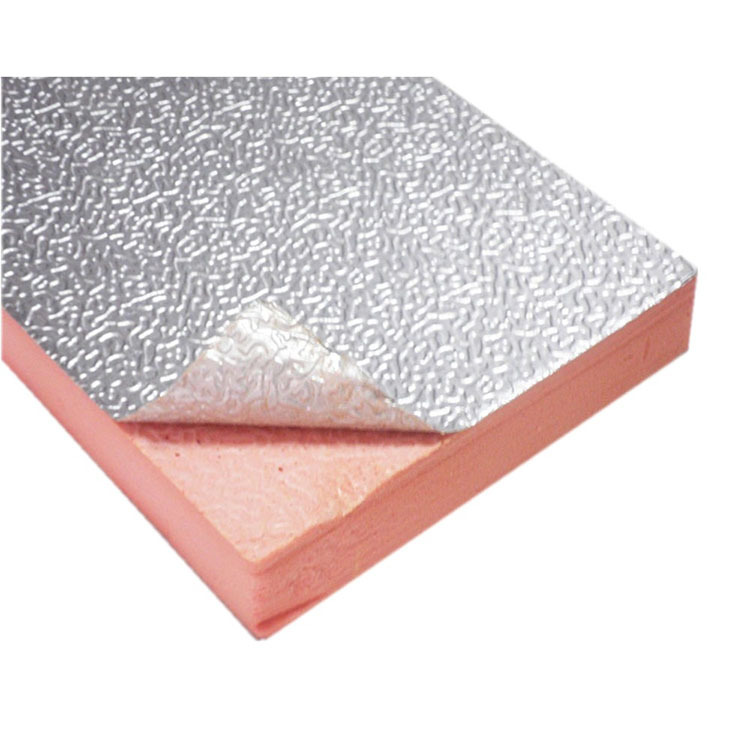
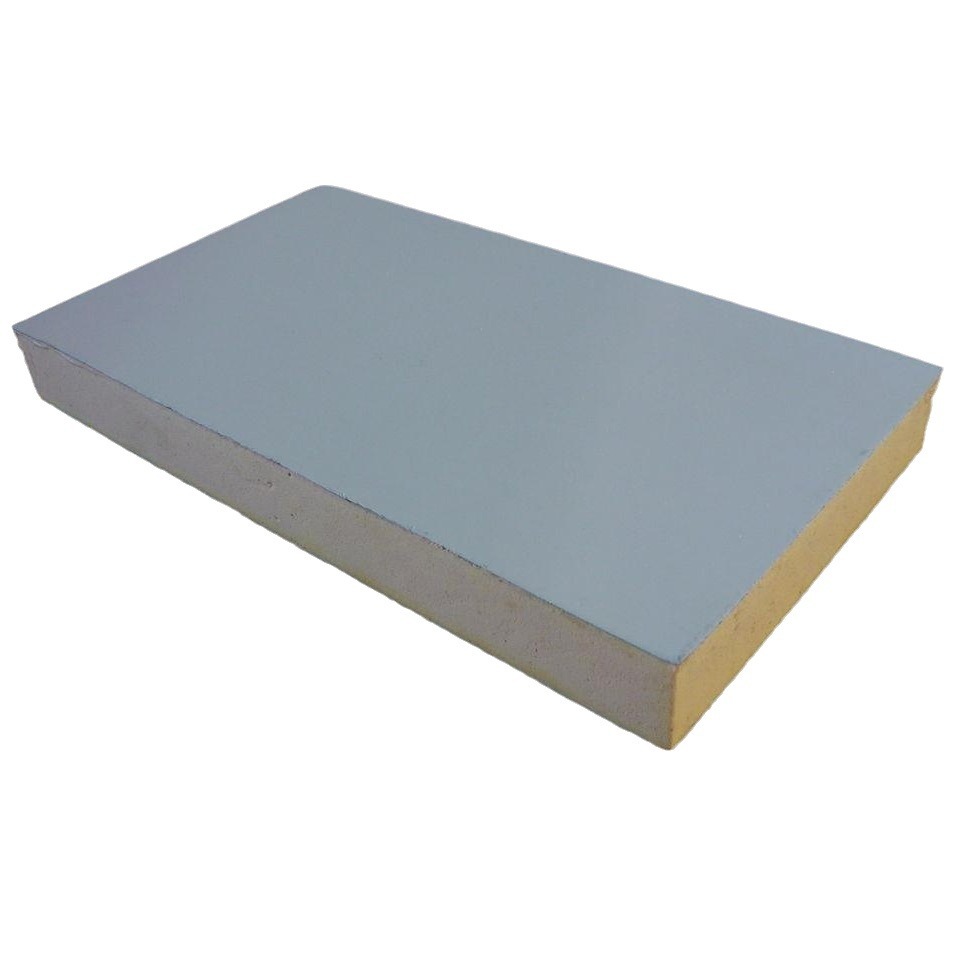
phenolic foam board insulation
Phenolic Foam Board introduction:
Phenolic Foam Board is crafted primarily from phenolic resin, which is synthesized through the reaction of phenol and formaldehyde, providing the foundation for its exceptional insulation and fire-resistant qualities. The manufacturing process involves blending this resin with foaming agents, surfactants to stabilize foam cells, and catalysts to facilitate the reaction, producing a rigid foam structure. Blowing agents are used to expand the mixture into foam, with additional fire retardants and smoke suppressants enhancing safety features.
Phenolic Foam Board applications:
1.Building Insulation: For walls, roofs, and floors to enhance thermal efficiency and fire safety.
2.HVAC Systems: Insulation for ductwork to reduce energy loss and prevent condensation.
3.Industrial Applications: Insulation for pipes and equipment in industrial settings to maintain temperatures and reduce energy consumption.
4.Transportation: Applied in the automotive and marine industries for thermal insulation and fire protection.
5.Fire Protection: Used in fire doors, fire-resistant panels.
Phenolic Foam Board advantages:
1.Excellent Thermal Insulation: With one of the lowest thermal conductivities among insulation materials, it effectively reduces heat transfer, enhancing energy efficiency.
2.Superior Fire Resistance: Phenolic foam is inherently fire-resistant, providing a high level of protection against flames and heat. It does not contribute to flame spread and produces low smoke and toxic gas emissions.
3.Low Smoke Emission: In the event of a fire, it generates significantly less smoke compared to other insulation materials, contributing to safer evacuation conditions.
4.Moisture Resistance: Its closed-cell structure makes it resistant to moisture and water vapor, preventing the growth of mold and fungi and protecting the integrity of the insulation.
5.Lightweight and Easy to Install: Its light weight makes it easy to handle and install, and it can be easily cut to fit various spaces and configurations.
6.Chemical Resistance: Phenolic foam is resistant to most solvents and chemicals, ensuring durability and longevity in diverse environments.
7.Environmentally Friendly: It is often manufactured with a low environmental impact, and its long service life and energy-saving properties contribute to a reduced carbon footprint.
Technical Data:
Serial number | Inspection items | Standard index | Check value | For inspection | |
1 | Combustion performance class (B1)-A2 | Flammability | Within 20s after the ignition started, the flame tip did not reach the scale line, and the burning droplets did not burn the filter paper | Within 20s after the ignition started, the flame tip did not reach the scale line, and no dripping was produced | |
Burning remaining length minimum value | >0 | 58 | GB/T | ||
Burning remaining length average value | ≥150 | 161 | 8624-1997 | ||
Average flue gas temperature ºC | ≤200 | 186 | |||
Smoke Density Level (SDR) | ≤75 | 2 | |||
2 | compressive strength MPA | -- | 0.17 | GB/T 8813-2008 | |
3 | water absorption (4d) | -- | 5 | GB/T 8810-2005 | |
4 | Dimensional stability%(70+2ºC,48h) | -- | 0.4 | GB/T 8811-2008 | |
5 | tensile strength Mpa | -- | 0.15 | JG 149-2003 | |
6 | Formaldehyde to release a quantity mg/L | ____ | 0.1 | GB 18580-2001 | |
7 | Thermal Conductivity W/(M.K) | ____ | 0.023 | GB/T 8811-2008 | |
Phenolic Foam Board insulation steps:
1.Safety First: Wear appropriate safety gear, including gloves, masks, and goggles to protect against dust and fibers.
2.Measure the Area: Accurately measure the space where the Phenolic Foam Board will be installed to determine the amount of material needed.
3.Surface Preparation: Clean the installation surface to remove any debris, dust, or oils that might interfere with adhesion.
4.Marking: Mark the required dimensions on the Phenolic Foam Board using a straight edge and marker.
5.Cutting: Use a sharp knife or saw to cut the board to size. A fine-toothed saw is recommended for cleaner cuts.
6.Adhesive Selection: Choose an adhesive compatible with Phenolic Foam Board if the installation method requires it. Follow the manufacturer’s guidelines for application.
8.Application: Apply adhesive to the back of the board or onto the substrate as directed.
9.Positioning: Carefully place the board onto the prepared surface or between framing members, ensuring a snug fit without gaps.
10.Securing: If not using adhesive, secure the board with mechanical fasteners designed for use with insulation materials, ensuring not to compress the foam excessively.
11.Tape or Sealant: Use insulation tape or sealant to seal the joints between boards and around the perimeter to eliminate thermal bridging and air leaks.
12.Protective Covering: If required, apply a protective covering like aluminum foil or a vapor barrier, depending on the application and 13.Inspection: Review the installation to ensure all boards are securely in place, with no gaps or missing seals.
14.Ventilation: Ensure adequate ventilation in the installation area, especially in enclosed spaces.
15.Moisture Control: In areas prone to moisture, ensure that a proper vapor barrier is in place to protect the insulation.