Welcome to Long loong


EPDM Waterproof Membrane Manufacturer
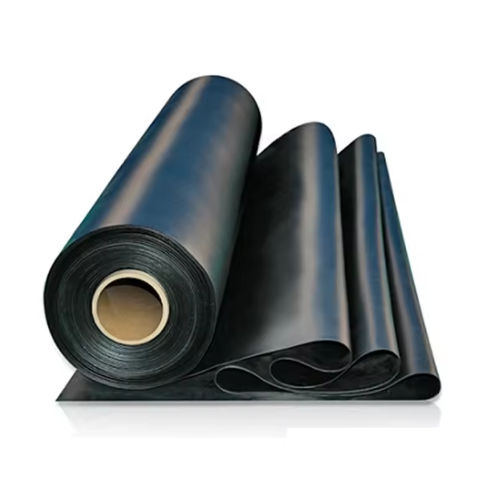
EPDM waterproof membrane from Long Loong
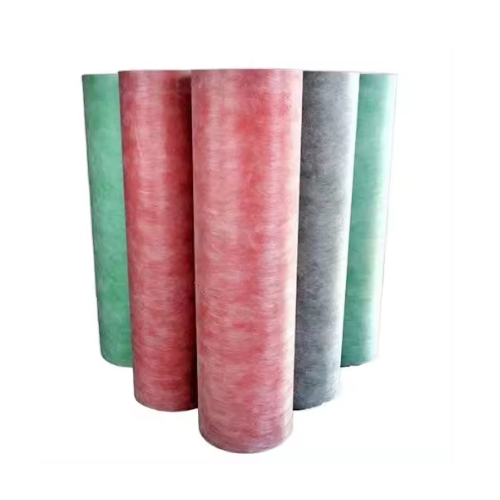
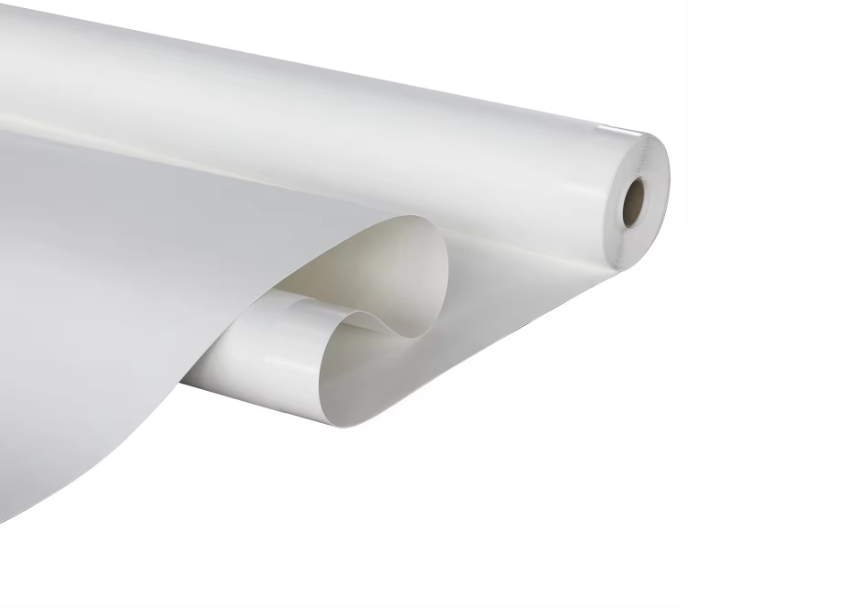
Cangzhou Long Loong Building Materials Co., Ltd. is a building-materials manufacturer supplying EPDM waterproof membrane for roofing and below-grade projects. The synthetic-rubber membrane is listed for industrial and civil buildings, reservoirs, municipal works, subways and tunnels. Importers and project buyers can review the technical table below, then request documentation for the exact grade and application.
Request an EPDM membrane quotation with your project use, required quantity and delivery destination.
EPDM Waterproofing Membrane introduction:
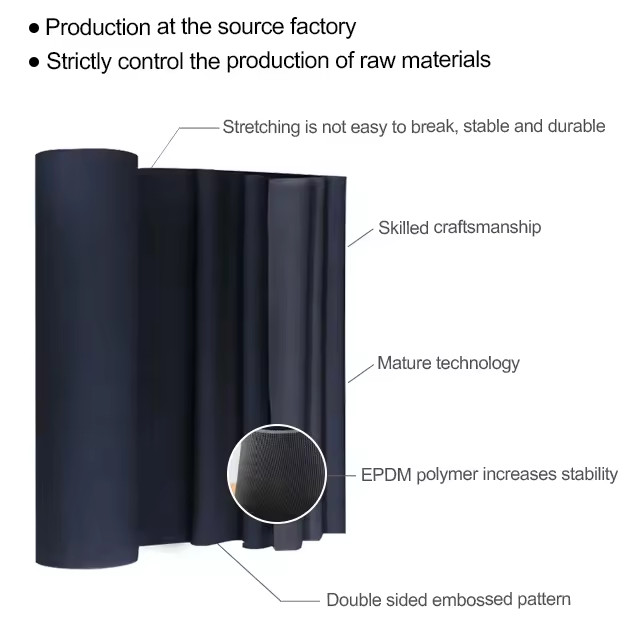
EPDM Waterproofing Membrane using a cold feed extrusion continuous vulcanization process equipment with internationally advanced level, selecting high-quality raw materials of EPDM rubber, adding reinforcing agents such as carbon black, nano-modifiers, plasticizers, vulcanization accelerators, and other processing aids, through processes such as compounding, refining, filtering, extrusion molding, continuous vulcanization, adhesive treatment, inspection, etc., to produce high-elasticity synthetic polymer waterproofing membranes.
EPDM Waterproofing Membrane applications:
It is suitable for the waterproofing of roofing and underground waterproofing projects of industrial and civil buildings, reservoirs, municipal works, subways, tunnels, etc. It is especially suitable for key waterproofing projects with high requirements on durability, corrosion resistance and easy deformation.
EPDM Waterproofing Membrane advantages:
1. The special modified molecular structure effectively solves the problem of insufficient overlap of EPDM adhesives at home and abroad;
2. Long service life, anti-aging, roofing materials can be used for more than 20 years, and underground can be used for 50 years;
3. High elongation, high tensile strength, and small dimensional change after heat treatment;
4. It has good resistance to plant root penetration and can be used as a waterproof layer for planting roofs;
5. Good low temperature flexibility, good performance to adapt to changes in ambient temperature;
6. The construction is convenient and the lap joint is firm and reliable;
7. Resistant to chemical corrosion, can be used in special occasions;
8. Easy maintenance and low cost;
9. Easy to handle details;
10. Good perforation resistance.
Installation notes for self-adhesive EPDM material
Confirm that the supplied material and approved project details match these notes before installation. They are not a universal method for every EPDM membrane.
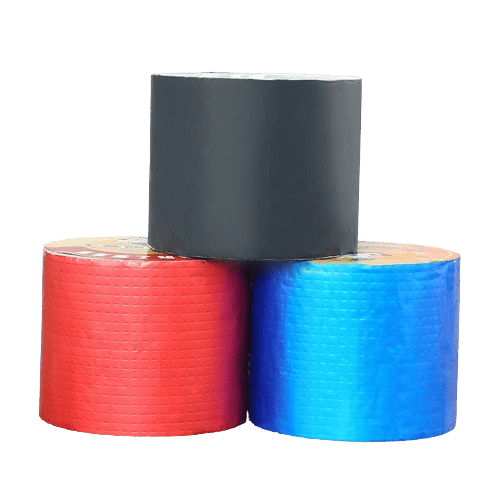
1. Horizontal Surface Installation: First, a baseline should be drawn on the substrate, then install from low to high. When unrolling the tape, remove the release liner simultaneously. The tape should overlap the baseline, with a width of ≥50mm (full adhesion) or ≥50mm (partial adhesion). After installation, use a rubber roller to firmly press the tape.
2. Vertical Surface Installation: Install from low to high vertically, while unrolling the tape and removing the release liner. The overlap width should be the same as above. After installation, use a rubber roller to firmly press the tape.
3. Tape Finishing: Seal the tape ends with sealant and then fix them with metal strips. Seal the fixing screws and top seams.
4. Construction Inspection: Check all self-adhesive tapes for tears, damage, bubbles, curled edges, or openings. If defects are found, cut open at the defect, remove the bubbles, and restore. Paste another piece over the area, press firmly.
6. The waterproofing layer and special details such as expansion joints and embedded pipe roots must undergo engineering acceptance to meet design requirements and construction standards.
7. The substrate of the waterproofing layer should be solid, flat, with rounded or obtuse angles at internal and external corners, and clean. The adhesive should be evenly applied without leaks or penetration.
8. Do not use non-exposed tapes in exposed environments.
9. Do not install self-adhesive tapes on frozen substrates.
10. Construction should not be carried out on contaminated or excessively moist substrates.
11. Remove the release liner from the tape packaging only before and during installation.
12. Do not use materials from other manufacturers without verification.
Technical Data:
On small screens, swipe horizontally to view all technical data columns.
No. | Items | JL1 | JL2 | |
1 | Tensile Strength (MPa) | 23ºC | ≥7.5 | ≥4.0 |
60ºC | ≥2.3 | ≥0.8 | ||
2 | Breaking Elongation | 23ºC | ≥450% | ≥400% |
-20ºC | ≥200% | ≥200% | ||
3 | Tear Strength kN/m | ≥25 | ≥18 | |
4 | Impermeability, 0.3Mpa, 30 minutes | No leaking | No leaking | |
5 | Low Temperature Flexibility | -40ºC | -30ºC | |
6 | Thermal Stability (mm) | Extend | ≤2 | ≤2 |
Shrink | ≤4 | ≤4 | ||
7 | Hot Air Aging (80ºC×168h) | Tensile Retention | ≥80% | ≥90% |
Breaking Elongation Retention | ≥70% | ≥70% | ||
8 | Alkali Resistance, Saturated Ca(OH)2 Solution, 23ºC×168h | Tensile Retention | ≥80% | ≥80% |
Breaking Elongation Retention | ≥80% | ≥90% | ||
9 | Ozone Aging(40ºC×168h) | Elongation 40%, 500pphm | No crack | No crack |
10 | Artificial Weathering Aging | Tensile Retention | ≥80% | ≥80% |
Breaking Elongation Retention | ≥70% | ≥70% | ||
11 | Bonding Peel Strength (Sheet and Sheet) | N/mm (Standard Test Conditions) | ≥1.5 | ≥1.5 |
Soaking Retention Rate(23ºC×168h) | ≥70% | ≥70% | ||
EPDM membrane purchasing questions
How should I use the JL1 and JL2 technical table?
Identify the grade being quoted before comparing test values. The table lists JL1 and JL2 separately; do not combine their values into one specification. Ask for the technical data and supporting test documents applicable to the material in your order.
Does every EPDM membrane use the same installation method?
No single installation detail should be assumed to cover every membrane build-up. The installation notes on this page refer to self-adhesive material and release-liner handling. Confirm the exact membrane, substrate, bonding system and seam details against the instructions for your project.
What information helps a project buyer obtain a useful quotation?
Send the intended use, substrate, drawings or joint details, required grade, quantity, destination and delivery schedule. Identify roof penetrations, transitions or below-grade details that need separate review. This helps keep the membrane and its installation requirements together in the quotation.
Can I order butyl tape for the same project?
You can enquire about our butyl sealing tape, but availability does not establish compatibility with an EPDM seam. State the intended joint and surface, and request a documented compatible solution.
Contact Long Loong to discuss EPDM membrane sourcing for wholesale distribution or a specified project.