Welcome to Long loong
How to Inspect Butyl Sealing Tape on Arrival: A Guide for Importers
A carton may arrive without obvious damage while a few rolls inside have pressed edges, a displaced liner or a marked facing. That is why receiving checks matter for importers and distributors of butyl sealing tape. They give both buyer and supplier a clear record before the goods are split between warehouses or sent to a project.
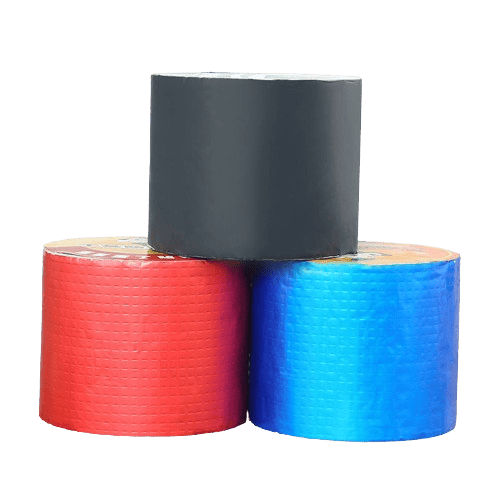
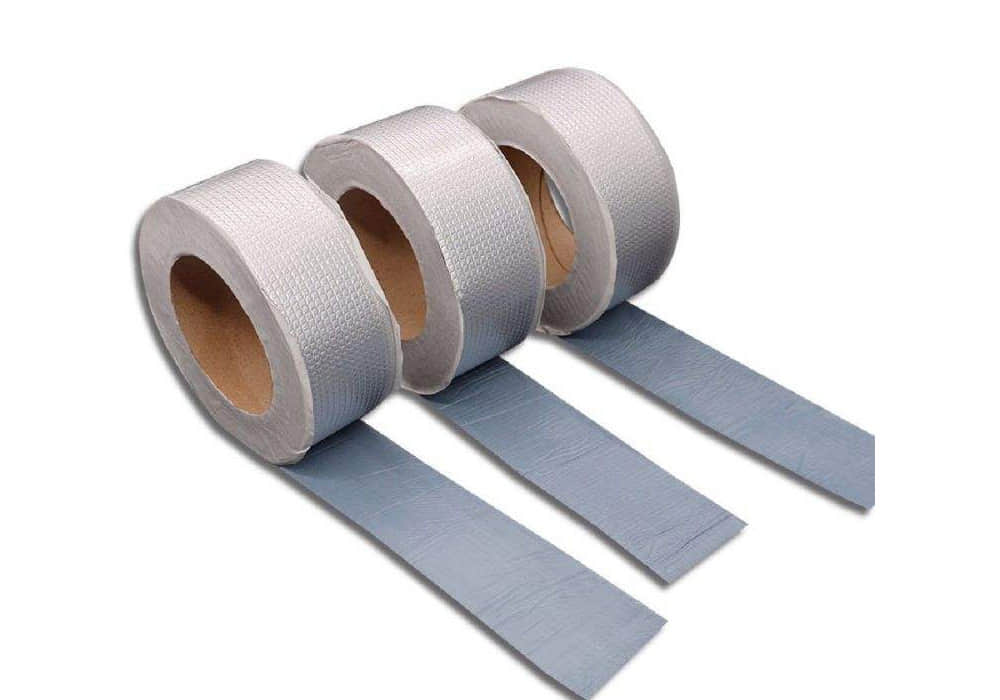
This guide is for the aluminum-faced, single-sided self-adhesive butyl rubber tape shown on Long Loong’s product page. It is a practical receiving routine, not a substitute for project-specific compatibility testing or an agreed laboratory inspection plan.
Begin with the order, not the roll
Compare the purchase order, packing list and cartons. Check the product description, ordered widths or other agreed dimensions, roll count and packaging. If the order contains several sizes, keep each group separate during the count. Photograph any mismatch before cartons are relabelled or stock is distributed.
Do not treat an attractive carton as proof that the correct tape was supplied. The receiving record should identify what was ordered, what arrived and which cartons were checked.
Open cartons from more than one position
Check for crushing, water marks and opened packaging. Then inspect representative rolls from different parts of the shipment, including cartons that look normal. Record how many cartons and rolls you sampled, so a later complaint is tied to an actual inspection scope rather than a general impression.
If a carton or roll carries identification, include it in the photos. Keep the original packaging for any affected material.
Look at the facing, edges and release liner
The product described on the website has an aluminum-facing laminate, a butyl adhesive layer and a protective release liner. On a short unrolled section, look for punctures, tears, severe creases, damaged edges or visible separation of layers. Check that the liner still covers the adhesive and that dust or packing debris has not reached exposed adhesive.
A roll that has become flattened or telescoped in transit should be recorded separately. These are visible condition checks; they do not establish adhesive strength or long-term weather performance.
Make a small, documented handling check
For the intended application, ask the project team to identify the actual substrate first. On a clean, dry sample of that material, cut a short piece, remove the liner and press the tape down evenly with a roller. Note the substrate, surface preparation and conditions, and photograph any handling problem.
One successful sample is not approval for every roof, gutter, cladding detail or repair surface. If the substrate or joint design has changed since the order, confirm suitability with the supplier before releasing all stock to site.
Report a problem in a form the supplier can act on
When something is wrong, send the purchase-order reference, carton and roll photos, the number checked, the quantity affected and a short description of the issue. Keep the affected rolls separate until the supplier has reviewed the evidence. Avoid discarding packaging or cutting up every questionable roll before the issue is documented.
For a repeat order, include the application, substrate, required tape size, quantity, packaging preference and destination. Buyers can review the Butyl Sealing Tape product page and contact Long Loong with their project and purchasing requirements.