Welcome to Long loong
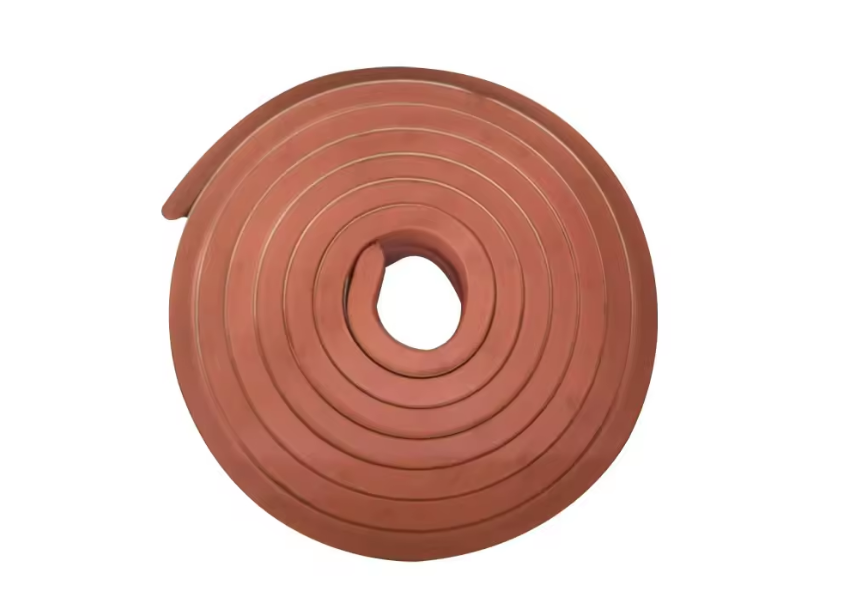
Bentonite Waterstop Manufacturer
Bentonite waterstop introduction:
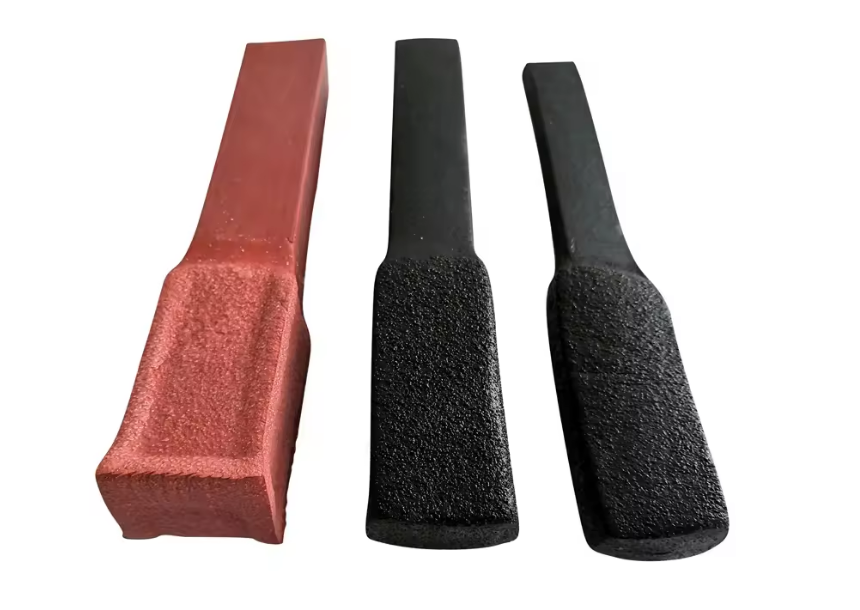
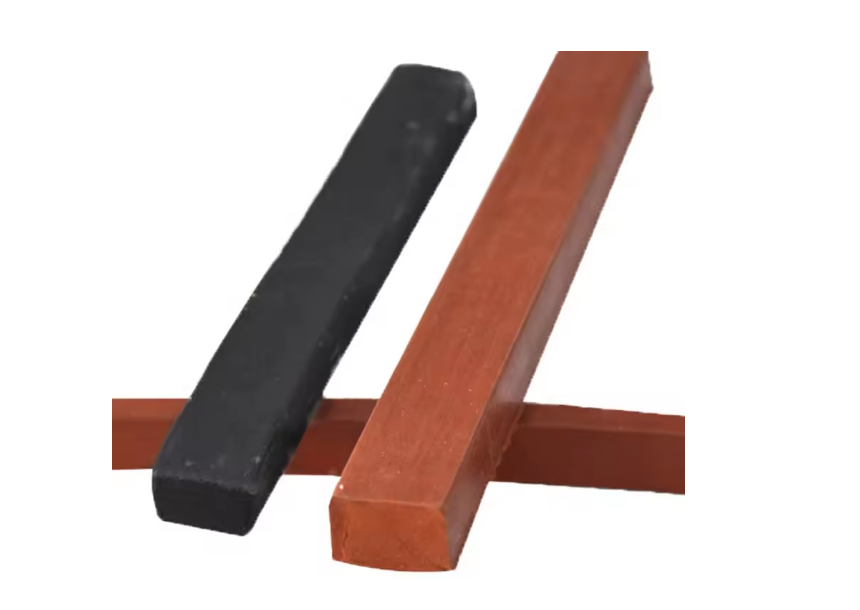
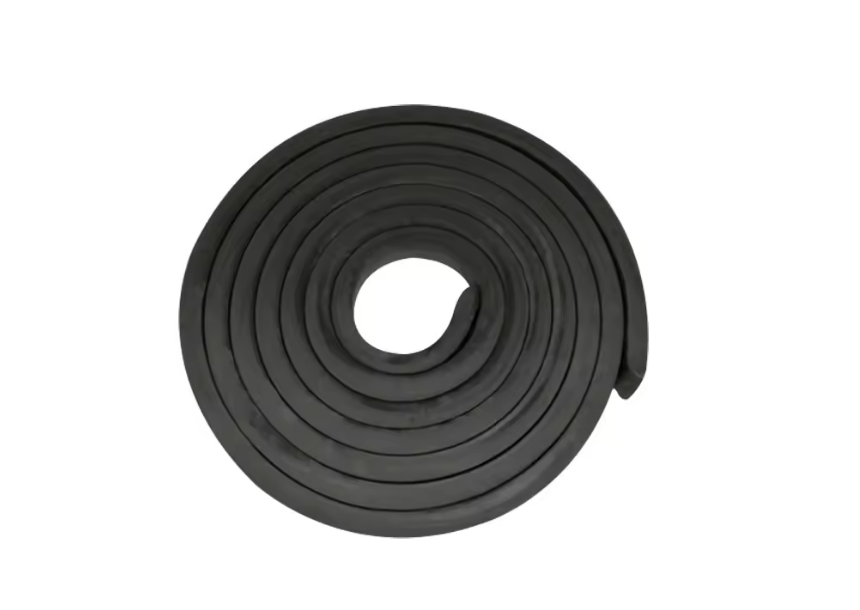
Bentonite waterstop is a kind of hydrophilic water sealing product coming with incomparable durability and higher water absorption no less than 300%. Unlike traditional clay based waterstops, this one utilizes rubber as base material to form a controlled, moisture active sealant - that means the bentonite waterstop will not expand to point losing much of integrity even being washed away by water during continually expansion.
Bentonite waterstop applications:
1. Basements and Foundations: Bentonite waterstops are frequently used in basement walls and foundation structures to prevent water seepage into below-grade areas. They provide a reliable barrier against groundwater and soil moisture.
2. Tunnels and Subway Systems: Bentonite waterstops are utilized in tunnel construction projects, including subway systems and underground passageways, to seal joints and prevent water infiltration from surrounding soil or groundwater.
3. Water Treatment Facilities: Bentonite waterstops are employed in the construction of water treatment plants, reservoirs, and water storage tanks to ensure watertightness and prevent leakage of treated water or wastewater.
4. Swimming Pools and Water Features: Bentonite waterstops are used in the construction of swimming pools, fountains, and water features to create a waterproof barrier that prevents water from seeping into surrounding structures or soil.
5. Retaining Walls and Dams: Bentonite waterstops are incorporated into the construction of retaining walls, dams, and levees to prevent water from penetrating through joints and causing erosion or structural damage.
6. Below-Grade Parking Garages: Bentonite waterstops are installed in below-grade parking garages and underground parking structures to prevent water ingress and protect vehicles and building foundations from water damage.
7. Roofing Systems: In some cases, Bentonite waterstops may be used in roofing systems to provide additional waterproofing protection at roof penetrations, such as roof drains, vents, and HVAC openings.
Bentonite waterstop Features:
1. Vertical and horizontal concrete construction joints;
2. Junction of old and new buildings;
3. Around wall pipe (including pipe and cable ducts);
4. Can be constructed in irregular surface;
5. Sealing the gap of all kinds of buildings, tunnels, underground projects and water engineering
The main technical performance indicators:
Installing Bentonite waterstop steps:
1. Preparation
.Clean the Joint: Ensure the joint is clean and free of dust, debris..Cut the Waterstop: Measure and cut the waterstop to the required length.
2. Positioning and Fixing
Place the Waterstop: Position it centrally along the joint, laying it flat without twists.
Temporary Fixation: Use adhesive tape or clips to temporarily secure the waterstop.
3. Concrete Pouring
Pour Carefully: Avoid displacement and ensure the concrete encapsulates the waterstop completely.
Vibration: Ensure the concrete is compact around the waterstop, avoiding direct contact.
4. Curing and Inspection
-Cure the Concrete: Maintain appropriate moisture and temperature for curing.
-Inspection: Check for any displacement or damage to the waterstop.
5. Activation
Contact with Water: The waterstop expands upon contact with water, filling any gaps.
6. Success Tips
Follow Instructions:Adhere strictly to the manufacturer's guidelines.
Consider Environmental Conditions: Be mindful of temperature and humidity during installation.
Professional Installation: Ensure the workforce is experienced with waterstop installation.
Technical Data:
Physical properties | PZ-150 | PZ-250 | PZ-400 | PZ-600 | |
Hardness (shore A) | 42±7 | 42±7 | 45±7 | 48±7 | |
Tensile strength | 3.5 Mpa (min) | 3.5 Mpa (min) | 3 Mpa (min) | 3 Mpa (min) | |
Elongation | 450% (min) | 450% (min) | 350% (min) | 350% (min) | |
Expansion rate | 150% | 250% | 400% | 600% | |
Repeated water immersion test | Tensile strength | 3 Mpa (min) | 3 Mpa (min) | 2 Mpa (min) | 2 Mpa (min) |
Elongation | 350% (min) | 350% (min) | 250% (min) | 250% (min) | |
Expansion rate | 150% | 250% | 300% | 500% | |
Low temperature bending (-20°C*2h) | No crack | No crack | No crack | No crack | |