Welcome to Long loong
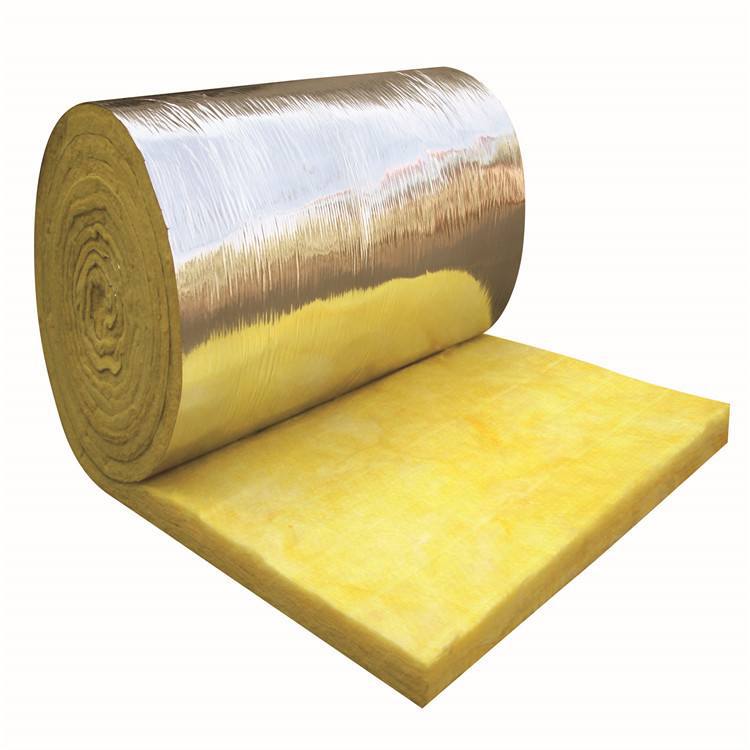
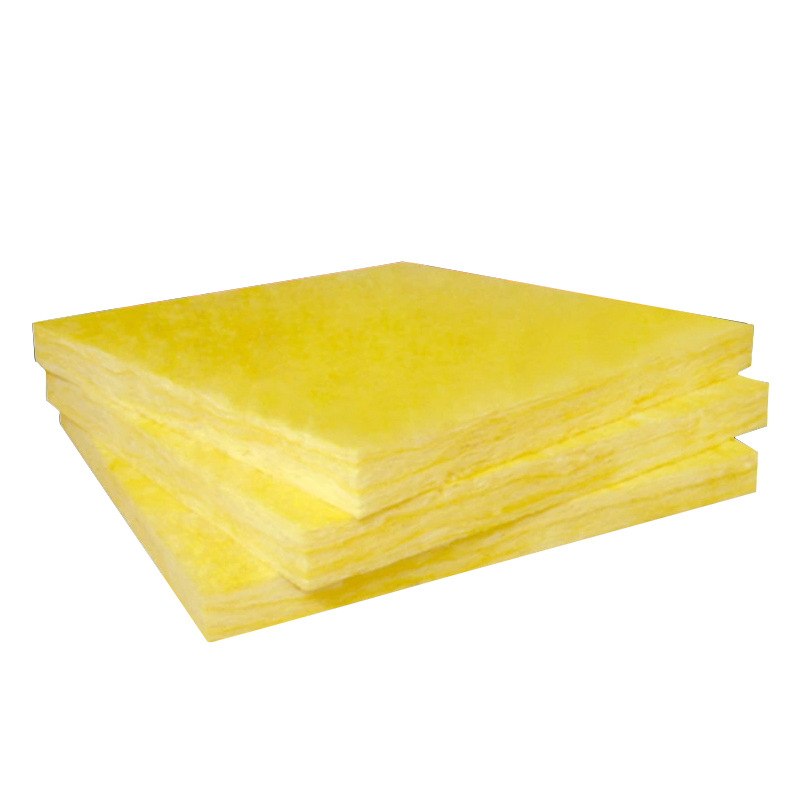
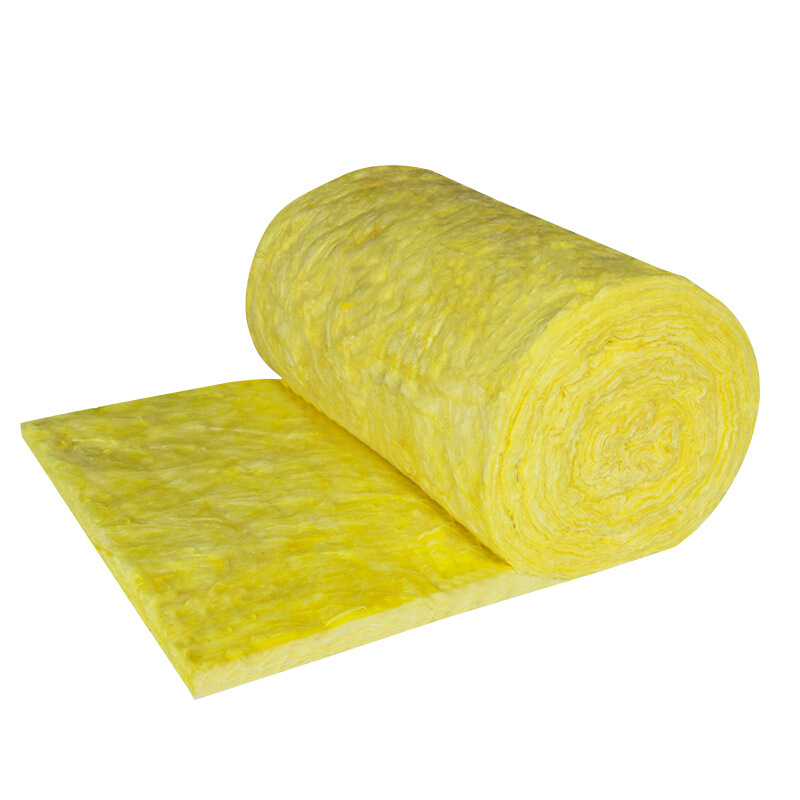
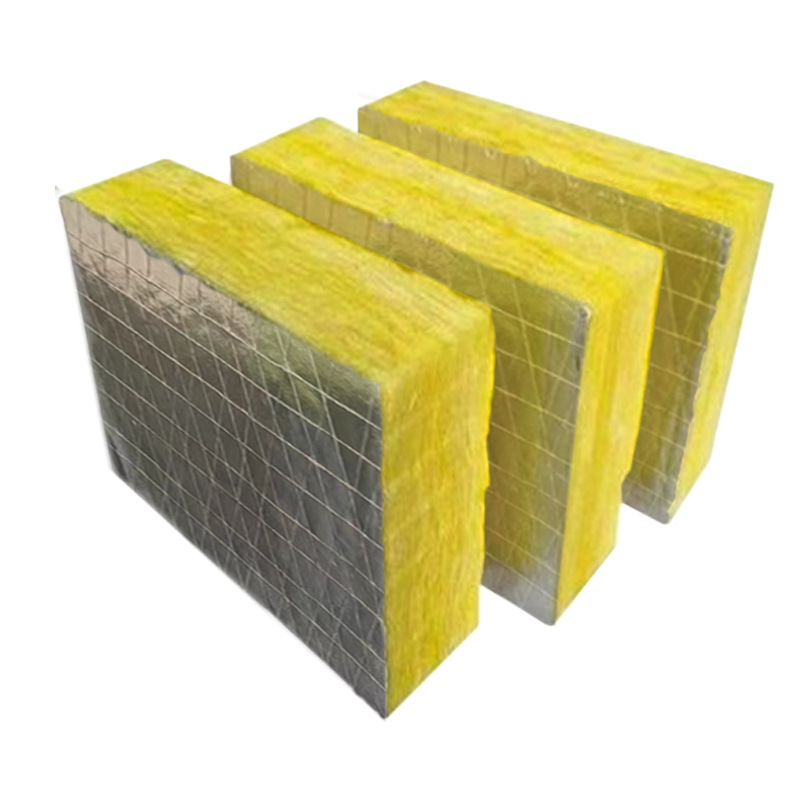
glass wool wall insulation
Glass wool introduction:
Glass wool is produced by melting silica sand, recycled glass, and other raw materials at high temperatures to form a molten glass. This molten glass is then spun into fine fibers using a centrifugal spinning process. The fibers are coated with a binder, which helps them to bond together, and then they are cured in an oven to create a mat of material that can be cut into various sizes and shapes.
Glass wool has excellent Thermal Insulation ,low thermal conductivity, making it highly effective at reducing heat transfer. This improves the energy efficiency of buildings, leading to lower heating and cooling costs.
Glass wool applications:
1.Building Insulation: For walls, roofs, floors, and ceilings to improve energy efficiency and comfort.
2.HVAC Systems: Insulation for air conditioning, heating, and ventilation ducts to reduce energy loss.
3.Industrial Insulation: For equipment, boilers, pipes, and storage tanks to manage temperature and conserve energy.
4.Acoustic Panels: In recording studios, cinemas, and offices to control sound and reduce echo.
Glass wool advantages:
1.Superb Sound Absorption: Due to its fibrous nature, glass wool is an excellent sound absorber, reducing noise transmission through walls, ceilings, and floors. It's ideal for creating quieter, more comfortable indoor environments.
2.Fire Resistance: Glass wool is non-combustible and can withstand high temperatures, enhancing fire safety in buildings. It doesn't support flame spread, making it a safe insulation choice.
3.Moisture Resistant: While inherently resistant to moisture, when combined with proper facings, glass wool can prevent the penetration of water and vapor, protecting structures from damp and mold.
4.Lightweight and Easy to Install: Glass wool is lightweight, making it easy to transport and install. It can be easily cut to fit various spaces, simplifying the installation process.
5.Eco-Friendly: Glass wool is made from recycled glass and sand, a sustainable resource. It's also recyclable at the end of its life, reducing waste and promoting environmental sustainability.
6.Cost-Effective: Compared to other insulation materials, glass wool offers excellent insulation performance at a relatively low cost, providing good value for money.
7.Durable: Glass wool maintains its insulation properties over time, resisting settling and degradation. It's a long-lasting solution that doesn't require frequent replacement.
Technical Data:
Propertities | Value | Unit | Standard |
Bulk Density Tolerence | ±10 | % | GB/T 5480.3 |
Fiber Diameter | 5--8 | μm | GB/T 5480.4 |
Water content | ≤1 | % | GB/T 16400-2003 |
Working temperature range | -100 to +450 | ºC | Working temperature range |
Thermal load shrinkage temperature | ≥300 ≥350 ≥350 ≥400 | ºC | GB/T 5480 |
Combustion Performance(Fire Rating) | Non-combustible | - | GB 8624-2012 |
Reation to fire-Class A1 | |||
Thermal Conductivity (Average Temp 20ºC) | 0.034-0.062 | W/mk | GB/T 10294 |
Moisture Absorption | ≤5% of weight(49,relative humidity 90%) | % by Vol | GB/T 5480.7 |
≤3% of weight(49,relative humidity 90%) | % by Vol | ASTM C1104 | |
Hydrophobicity | ≥98 | % | GB/T 10299 |
Sound absorption coefficient | 2000HZ (1.03 product reverberation method 24kg/m3 ) | HZ | GBJ47-83 |
Slag inclusion content | ≤0.3 | % | GB/T 5480.5 |
Corrosion resistance | No chemical reaction | - | GB/T 17393 ASTMC665 |
Mildew resistance | mildewproof | - | ASTMC665 |
Installing glass wool insulation steps:
1.Wear Safety Gear: Protective clothing, gloves, masks, and goggles.
2.Measure: Determine how much glass wool is needed by measuring the installation area.
3.Clean the Area:Remove dust and debris, ensuring the space is ready for insulation.
4.Mark the Insulation: Based on your measurements, mark where to cut the glass wool.
5.Cut: Use a sharp knife or scissors to cut the insulation to size.
6.Place Insulation: Fit the glass wool snugly between studs or joists without compressing it too much.
7.Secure (if needed): Use wire supports or insulation hangers to keep the glass wool in place.
8.Seal Gaps: Use caulk or spray foam to fill any gaps, ensuring no air leaks.
9.Add Vapor Barrier (if required): Cover the insulation with a vapor barrier to prevent moisture issues.
10.Cover Insulation: Finish with drywall or another appropriate wall covering.
11.Remove Debris: Clean up any leftover materials and ensure the space is tidy.
12.Inspect: Check the installation for any missed spots or issues.