Welcome to Long loong
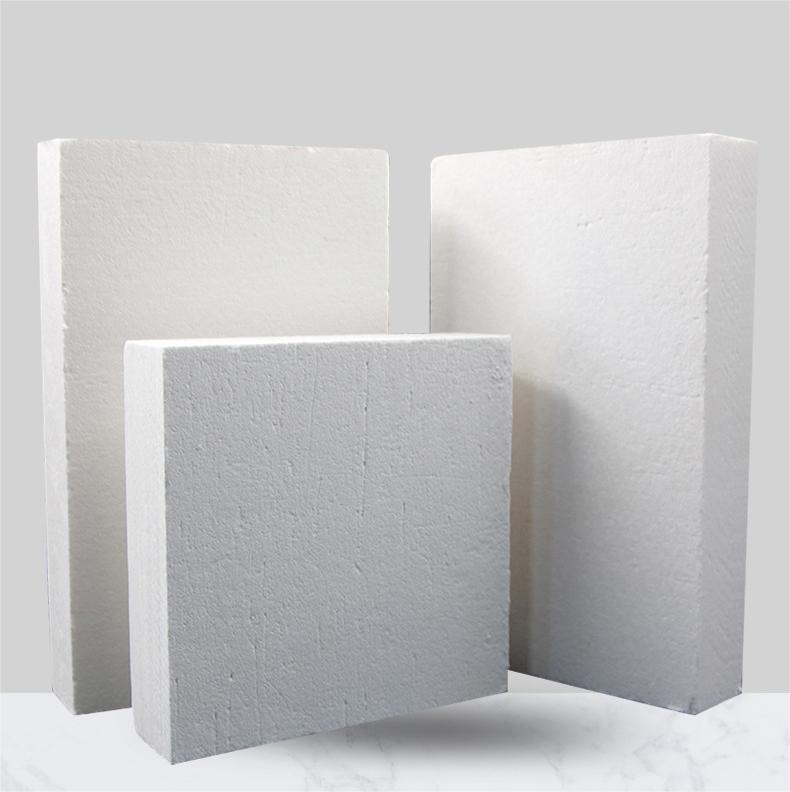
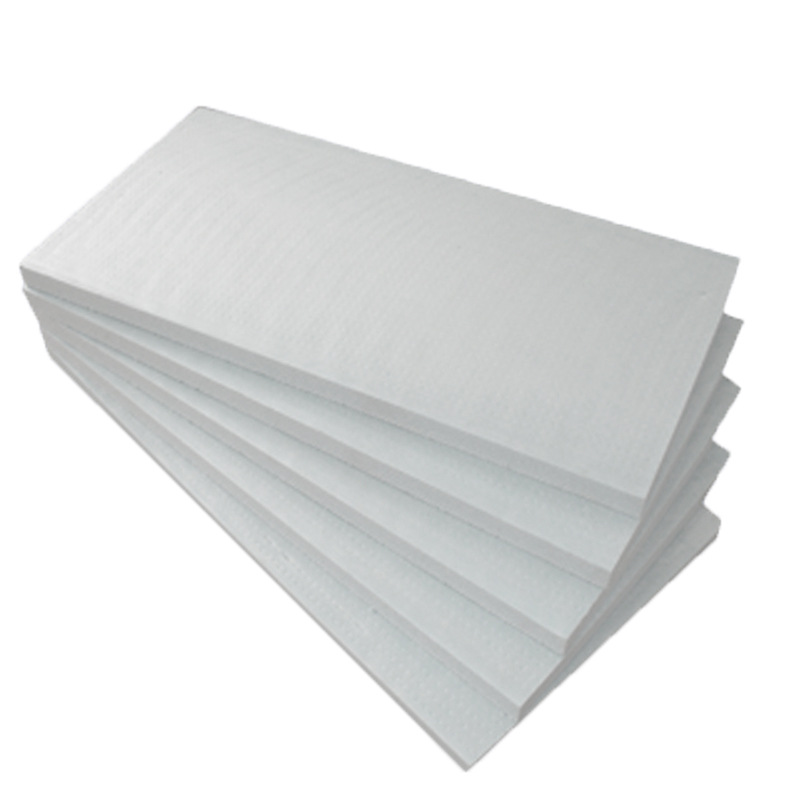
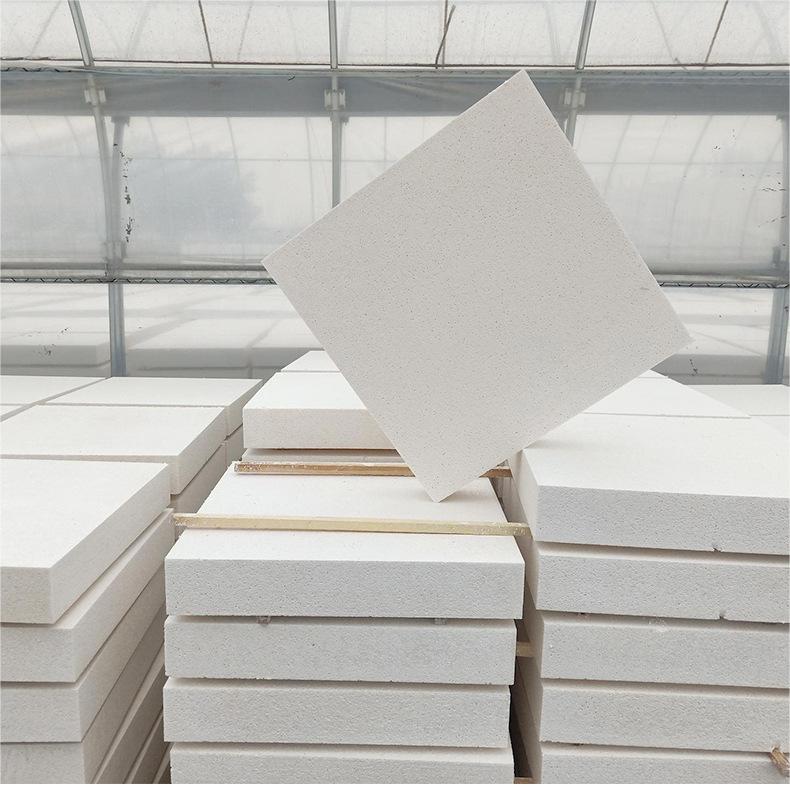
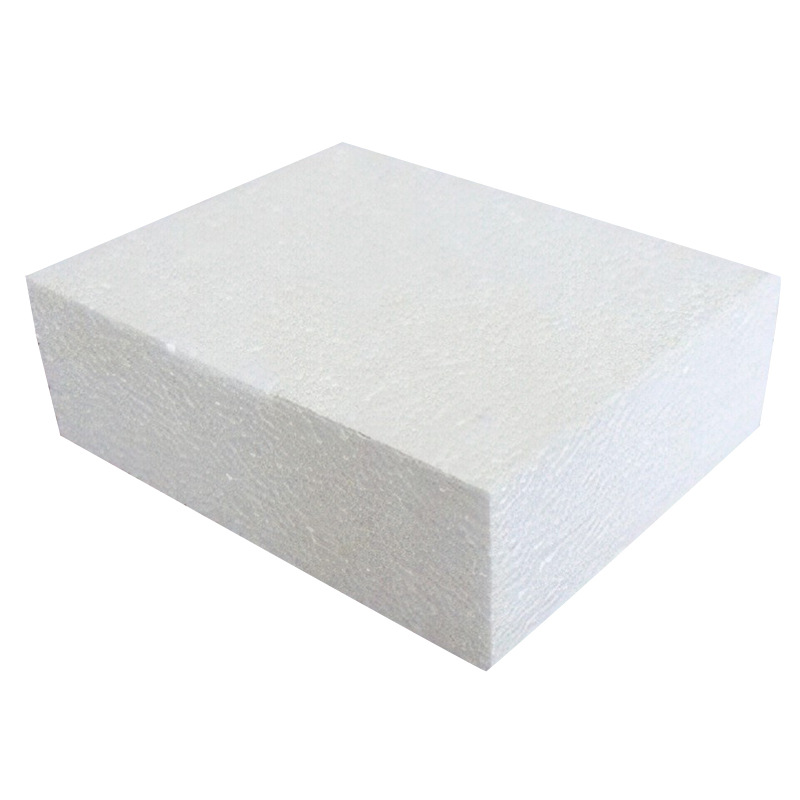
expanded polystyrene foam board eps
Expanded Polystyrene Foam Board (EPS) introduction:
Expanded Polystyrene Foam Board (EPS) is a rigid, closed cell, thermoplastic foam material. It is produced from solid beads of polystyrene. Expansion is achieved by virtue of small amounts of gas contained within the polystyrene bead. The gas expands when heat in the form of steam is applied, thus forming closed cells of EPS. EPS is used in both residential and commercial buildings. EPS insulation is very rigid, unlike other fluffier insulating materials. As an insulator, it can withstand extremes in temperature and can also reduce noise. Unlike other insulation materials, it is waterproof and has a very long lifespan. All these things make polystyrene insulation stand out as an exceptionally good product and it is popular within the building industry.
Expanded Polystyrene Foam Board (EPS) applications:
1.New and existing rendered or unrendered masonry,
2.Timber backed walls, floors and roofs.
3.Cavity wall construction,
4.On layered external walls,
5.In places likely to develop thermal bridges,
6.On beams and under slabs
7.In balconies and loggias,
8.Under roofs and between rafters
Expanded Polystyrene Foam Board (EPS) Features:
1.Low thermal conductivity
2.Lightweight and easy of handle and install
3.Polystyrene is one of the lightest insulating materials.
4.Has excellent mechanical properties making it good choice for load-bearing 5.roof insulation, sub-pavement flooring, roadbuilding, as load-bearing insulation.
6.Low water absorption
7.Creates a more temperature-controlled environment
8.unaffected by damp, humidity, or moisture.
9.Chemical resistance – polystyrene is compatible with most other materials used in construction including cements, plasters, etc.
10.When installed correctly the material will last for as long as the building itself.
11.Saves money on energy bills.
12.Resistant to corrosion.
13.Simple to install without the need of special tools
Installing Expanded Polystyrene Foam Board (EPS) steps:
1.Below we have listed a guide to installing EPS boards.
2.Please note that EPS Boards must not be installed in contact with hot objects (e.g. chimneys, furnace and water flues, lighting fixtures, etc.)Maintain gaps in accordance with the applicable building code.
3.Prep the wall first removing any obstacles or debris from the wall and anything that may
4.interfere with the attachment of the boards.
5.Cut the boards to size to match the wall height. The boards should also be cut as needed to fit tightly around pipes, ducts, vents, openings, or similar objects.
6.Using foam board compatible adhesive, it can be applied to the wall, or directly to the board, in vertical beads approximately 12” apart. Press/hold the board firmly to the wall.
7.Position wood battens at 16” or 24” on centre spacing (vertically or horizontally) over the boards and attach using Foam-Control concrete nails 24” on centre through the battens and insulation into the concrete wall.
8.Air seal all electrical, water, or gas penetration and any venting that pass to the outside with silicone caulk, acrylic latex caulk, or expanding spray foam.
Technical Data:
Project | Performance index | |
Weather resistance | exterior | No visible cracks, no pulverization, no hollow drum, no peeling phenomenon |
tensile adhesive strength , MPa | ≥0.10 | |
Water absorption capacity, g/m2 | ≤500 | |
impact resistance | At least second class | 3J class |
First class | 10J class | |
The density of water vapor through wet flow, g/(m2 ·h) | ≥0.85 | |
Freeze thaw durability tests | exterior | No visible cracks, no pulverization, no hollow drum, no peeling phenomenon |
tensile adhesive strength, MPa | ≥0.10 | |