Welcome to Long loong
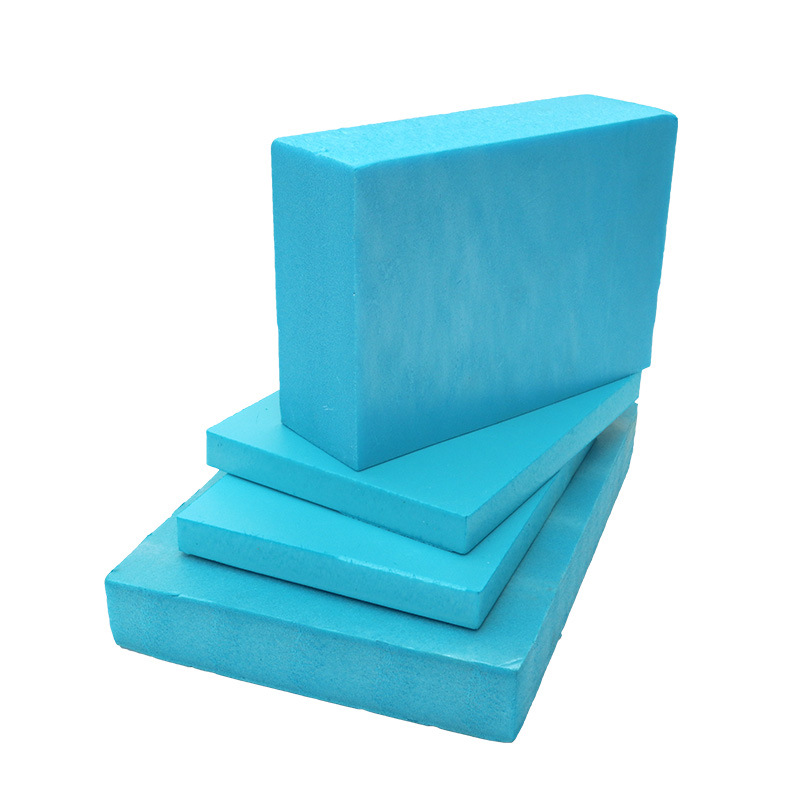
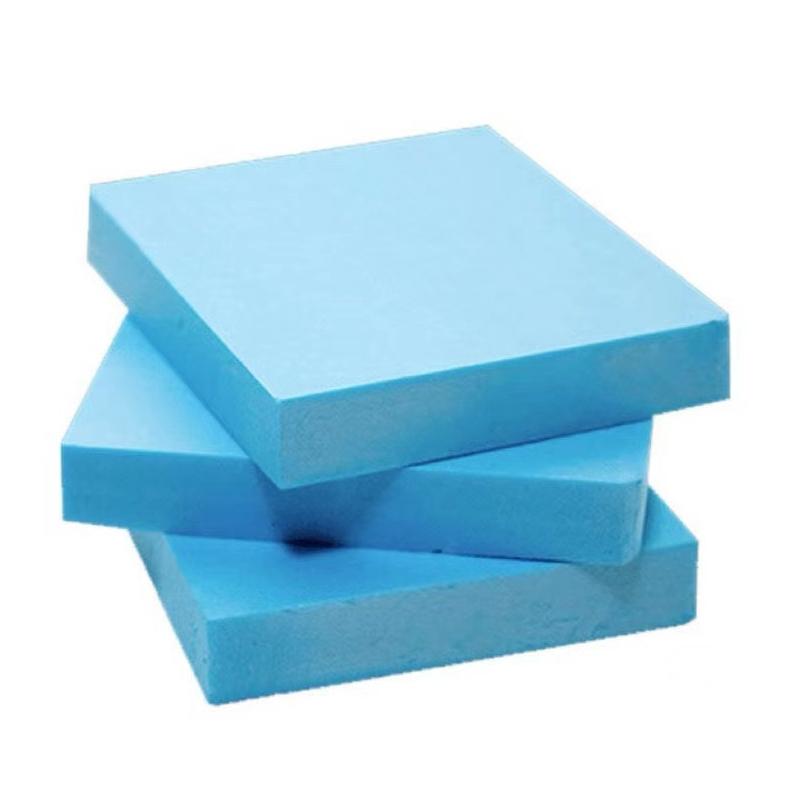
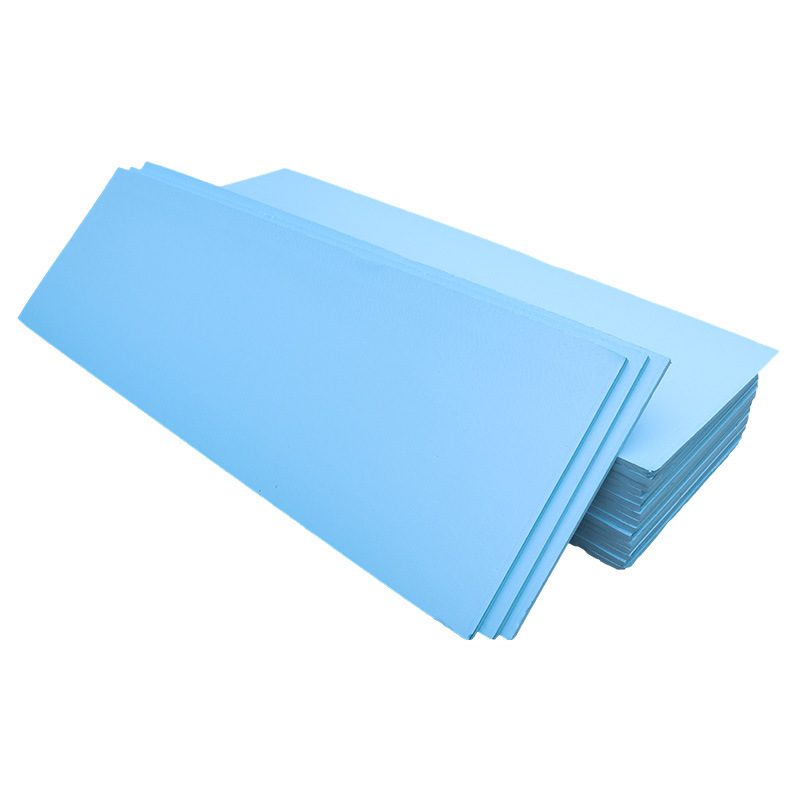
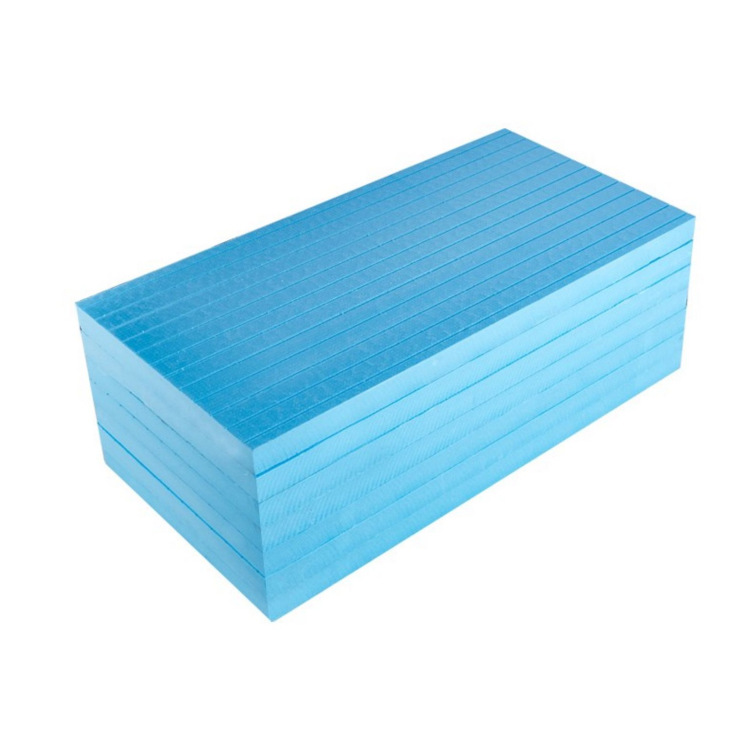
extruded polystyrene foam board xps
XPS (Extruded Polystyrene) introduction:
XPS (Extruded Polystyrene) is a rigid insulation material manufactured through an extrusion process, resulting in a foam board with a uniform, closed-cell structure. This process begins with melting polystyrene pellets mixed with additives and a blowing agent, which is then extruded into foam boards. XPS is known for its excellent thermal insulation properties, high compressive strength, and moisture resistance. These characteristics make it suitable for a wide range of applications, including building insulation for walls, roofs, and floors, foundation and basement insulation, and in civil engineering applications such as under road beds to prevent frost heave. Its durability and resistance to decay make XPS a long-lasting insulation solution.
Extruded Polystyrene (XPS) applications:
1.Walls, Roofs, Floors: Improves energy efficiency and comfort.
2.Foundations and Basements:Protects against heat loss and moisture.
3.Roads, Railways, Airports: Prevents frost damage and maintains structural integrity.
4.Bridges and Overpasses:Reduces damage from freeze-thaw cycles.
5.Cold Storage: Essential for temperature control in refrigerated spaces.
6.Agricultural Buildings: Provides temperature control in greenhouses and barns.
7.Underground Utilities: Protects pipes and lines from extreme temperatures.
8.Landscape Projects: Used in gardening for frost protection and insulation.
XPS is chosen for its durability, versatility, and effective insulation in a variety of settings, from residential and commercial buildings to specialized engineering projects.
Extruded Polystyrene (XPS) advantages:
XPS (Extruded Polystyrene) offers several notable advantages as an insulation material:
1. Excellent Thermal Insulation: Its closed-cell structure provides high thermal resistance, effectively reducing heat transfer and improving energy efficiency in buildings.
2. Moisture Resistance: XPS is highly resistant to water absorption, maintaining its insulation properties even in damp conditions. This makes it suitable for use in areas prone to moisture, such as basements and exterior walls.
3. High Compressive Strength: XPS can withstand heavy loads without significant deformation, making it ideal for use in load-bearing applications like under concrete slabs, floors, and over roofing structures.
4. Durability:It is resistant to rot, mold, and mildew, contributing to the longevity of the insulation performance and structural integrity of buildings.
5. Easy to Handle and Install: XPS is lightweight and can be easily cut to fit various shapes and sizes, facilitating quick and efficient installation.
6. Environmental Impact: Advances in manufacturing processes have led to the use of eco-friendlier blowing agents and the ability to recycle post-industrial XPS waste, reducing its environmental footprint.
7. Versatile Applications: Beyond building insulation, XPS is used in a variety of specialty applications, including cold storage facilities, under roads and railways to prevent frost heave, and in floating structures.
The combination of these advantages makes XPS a highly effective and versatile choice for insulation across a wide range of construction and engineering projects.
Installing Extruded Polystyrene (XPS) insulation steps:
1.Site Evaluation:Check the installation area to ensure it's free from obstructions.
2.Material Selection: Choose the right thickness and density of XPS boards based on project requirements.
3.Surface Cleaning: Clear the area of dust and debris.
4.Measurement: Accurately measure the area where the XPS boards will be installed.
5.Cutting: Trim the XPS boards to size as needed.
6.Dry Fitting: Temporarily place the XPS boards to ensure they fit properly.
7.Securing: Fix the XPS boards in place using adhesive or mechanical fasteners.
8.Sealing: Use waterproof tape or sealant to close gaps between XPS boards.
9.Protective Covering:** If necessary, cover the XPS boards with waterproofing membrane or other protective materials.
10.Inspection:** Ensure the installation is correct, with no gaps or thermal bridges.
This procedure can be adjusted based on the specific application and project requirements. Following the manufacturer's technical guides and collaborating with professionals will ensure the best installation outcome.
Technical Data:
Concept | Value | Standard |
water absorption by total immersion (Vol.%) | ≤ 0,7 | EN 12087 |
Capillarity | NULA | - |
Coefficient of linear thermal expansion (mm/m·K) | 0,07 | - |
Thermal conductivity declared (W/mK) | 0,033 | EN 12667 |
Compression strength (kPa) | CS(10/Y)300 | EN 826 |
Dimensional Stability (%) | ≤ 5 | EN 1604 |
Water vapour diffusion resistance factor | ≥ 80 | EN 12086EN 12086 |
Reaction to fire | E | EN 13501-01 |
Compressive creep max 2% deflection after 50 years (kPa) | 95 | EN 1606 |
Traction resistance perpendicular of the faces (kPa) | NPD | - |
Water absorption by freeze-thaw cycling (Vol. %) | ≤ 1 | EN 12091 |
Thermal Resistance (m²K/W) | 1.85 | EN 13164 |
Min. service temperatures (ºC) | -50 | - |
Máx. service temperatures (ºC) | 75 | - |
Addtitional Technical Data
Concept | Value | Standard |
water absorption by diffusion (Vol.%) | ≤ 3 | EN 12088 |
Density (kg/m³) | 32 | EN 1602 |
Edge treatment | Media madera | - |
Surface | Lisa, con piel de extrusión | - |