Welcome to Long loong
TPO Roofing Membrane Procurement Checklist for B2B Projects
A TPO roofing membrane quotation should be more than a price for one roll. For an importer, distributor, contractor or project buyer, the membrane has to fit the roof build-up, welding method, detailing plan and delivery schedule. If these points are not stated at the inquiry stage, two quotations that look comparable may cover very different supply scopes.
1. Define the application before discussing the membrane
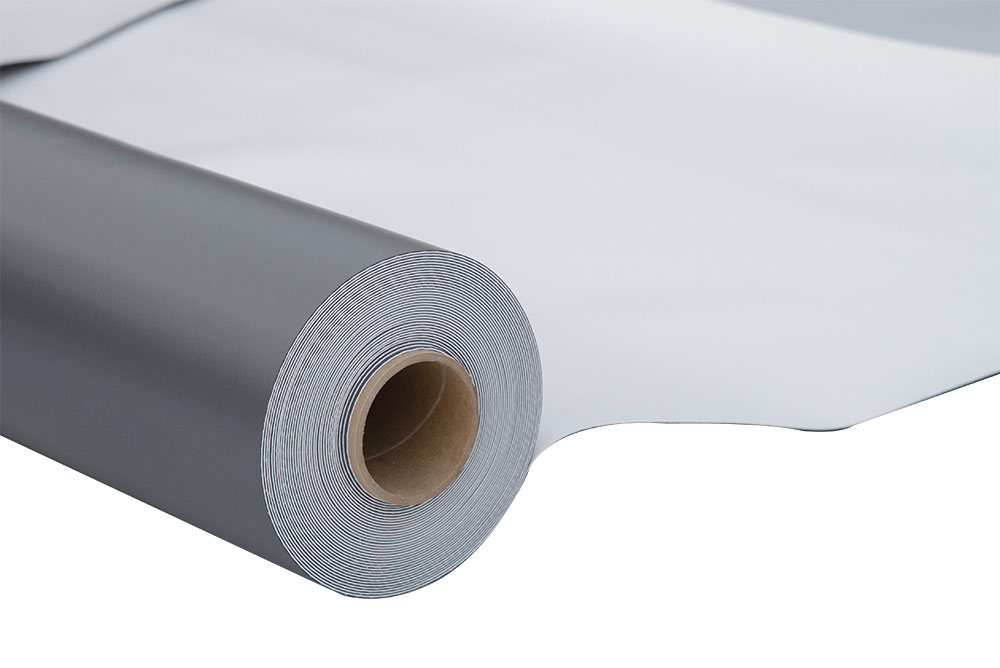
The Long Loong product page identifies TPO membrane for flat or low-slope roofing and for civil-engineering waterproofing applications such as underground structures and liners. These applications should not share the same one-line purchasing request. Begin with the project type, substrate, roof or structure area, local climate and expected installation method.
For a roofing project, describe whether it is new construction or replacement work and provide the relevant roof-system drawings. For another waterproofing application, identify the structure, contact surface and detailing conditions. This allows the supplier to discuss a product configuration against a real use case rather than quoting a generic membrane.
2. Confirm the complete roof-system interface
TPO membrane does not work in isolation. The buyer should review how it connects with the substrate, insulation layer, attachment method, perimeter details, outlets and penetrations. Send the project specification or the relevant detail drawings with the inquiry. If the design leaves an item open, mark it clearly for technical discussion instead of allowing assumptions to enter the quotation.
Ask which product construction is being quoted and how it matches the proposed installation system. Confirm the quoted dimensions, colour, surface, reinforcement or other construction details that are relevant to the project. These items should appear consistently on the quotation, sample reference, order confirmation and package label.
3. Treat hot-air welding as a system requirement
The existing TPO product guidance uses hot-air welding for overlapping edges and for detailing at walls and corners. Seam quality therefore depends on more than the membrane itself. The contractor needs suitable welding equipment, trained operators, a clean work area and a site procedure for checking trial welds and completed seams.
Before ordering, confirm the overlap and welding approach required by the selected system, the intended automatic or hand-welding equipment and the accessories needed for corners, terminations and penetrations. Site welding settings should be established for actual conditions rather than copied from an unrelated project.
4. Review installation details before production
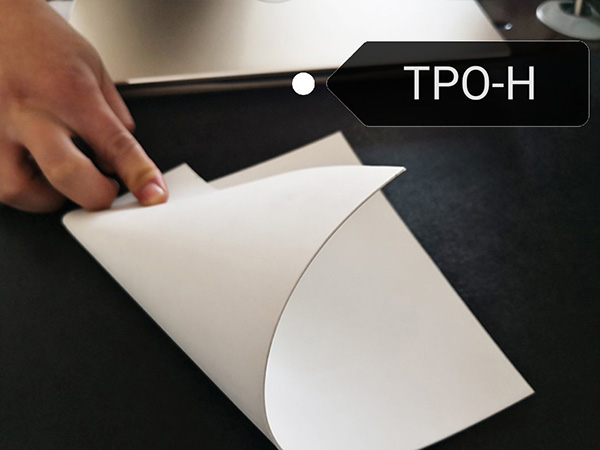
Long Loong's product page outlines a practical sequence: clean and smooth the base, arrange the membrane layout, mark reference lines, position the sheet flat, weld the overlapping edges and complete wall or corner details before fixing and sealing the termination. Buyers should use this sequence to identify what information and accessories must be confirmed before shipment.
Ask the installation team to review roll handling, sheet layout, seam direction, corner pieces, termination bars and sealing materials. A small missing accessory can delay a much larger membrane order. Final installation must follow the approved project design, local requirements and the instructions agreed for the selected system.
5. Match technical documents to the project requirement
Do not request “all certificates” without explaining what the project needs. Instead, list the required product data, test information, submittal format and language. Ask the supplier which documents are available for the quoted product and verify that their scope matches the exact construction being purchased.
If a pre-shipment sample or approval sample is required, connect it to a written product reference. Record the dimensions, colour, construction and other agreed details so the sample cannot be separated from the commercial order. Any mandatory acceptance criteria should be written into the purchase documents before production.
6. Check packing, labels and container planning
For imported TPO rolls, the landed cost is affected by package dimensions, roll weight, loading arrangement and unloading method. Ask for the number of rolls per package or pallet, package dimensions, gross and net weight basis, core or roll protection and the proposed container plan. Confirm how rolls should be stored and handled when they arrive.
Distributors and brand owners should send label requirements early. State the product name, item code, language, customer mark and any project reference that must appear on the package. The final artwork or label text should be approved together with the product and packing details.
7. Use one quotation checklist for every supplier
Project country, application and roof or structure area
Substrate and complete waterproofing-system description
Required membrane construction, dimensions and colour
Attachment, overlap and hot-air welding plan
Corner, penetration, outlet and termination accessories
Required product data, test information and submittals
Sample or pre-production approval requirement
Packing, labels, quantity and purchasing schedule
Destination port and preferred delivery terms
When comparing offers, verify that every supplier is quoting the same membrane construction, accessories, packing basis, documents and delivery terms. A lower roll price is not a valid comparison if important system items are excluded.
Request a TPO membrane quotation from Long Loong
Review the existing Thermoplastic polyolefin TPO product page, then send the project application, drawings and order requirements through the Long Loong inquiry page. A complete brief helps the manufacturer and buyer confirm the supply scope before quotation and production.