Welcome to Long loong
Thermoplastic polyolefin TPO
Thermoplastic polyolefin introduction:
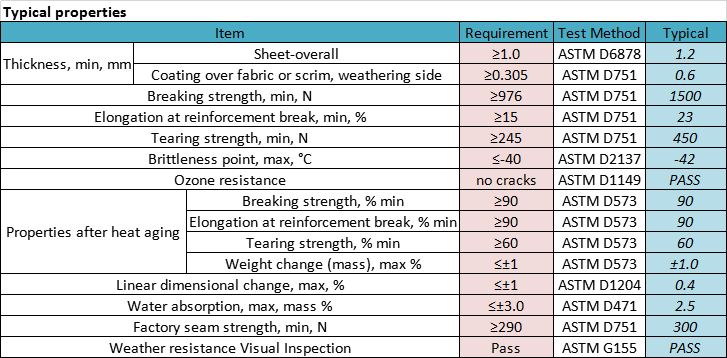
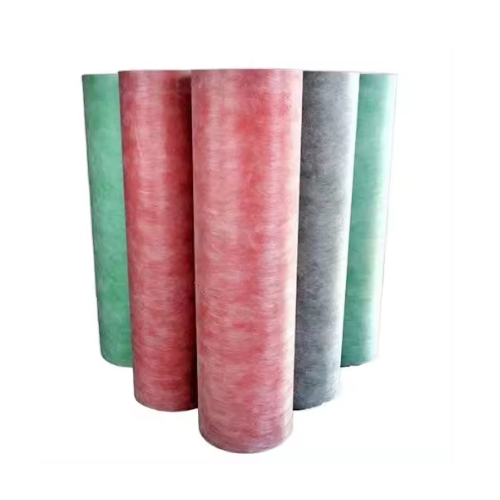
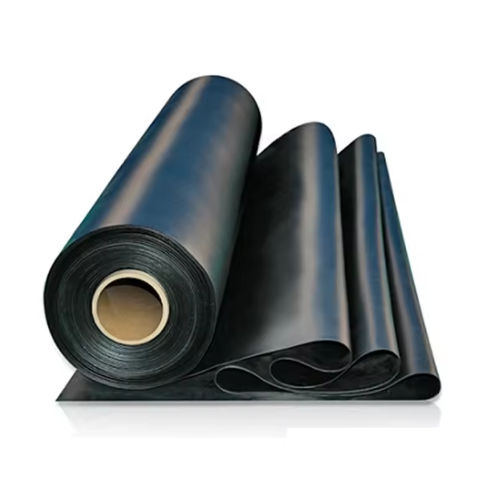
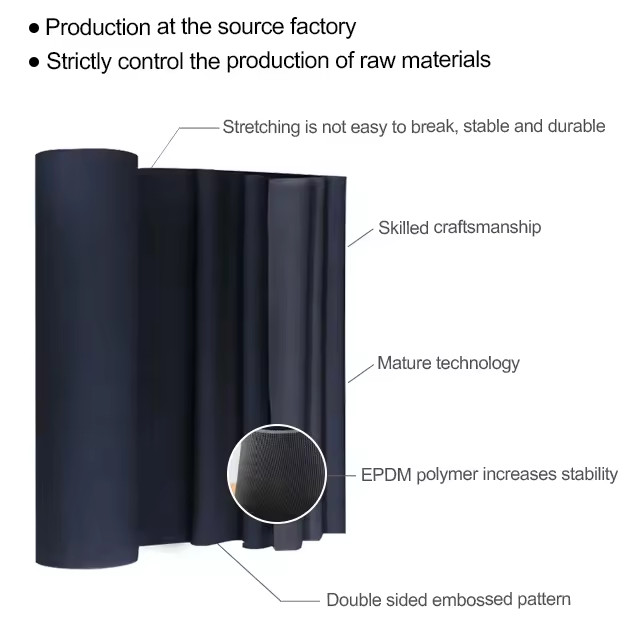
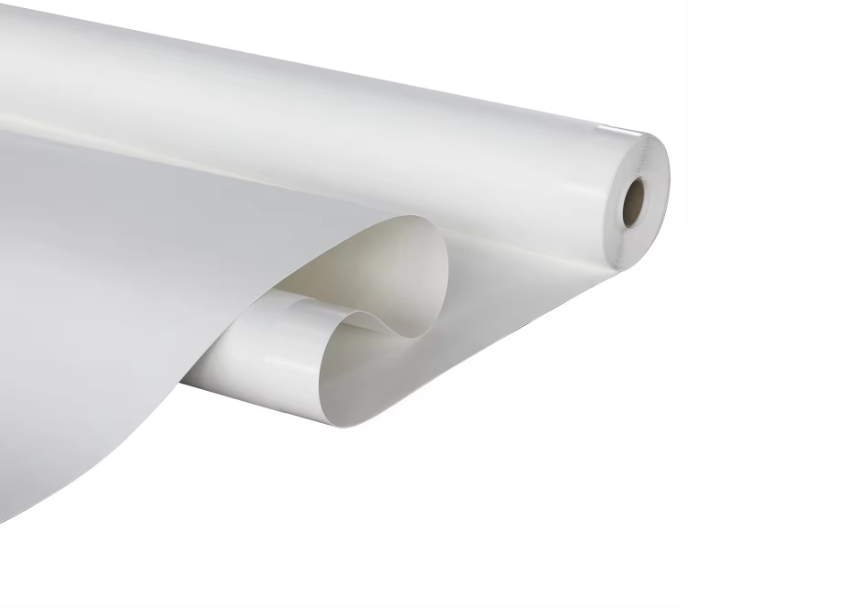
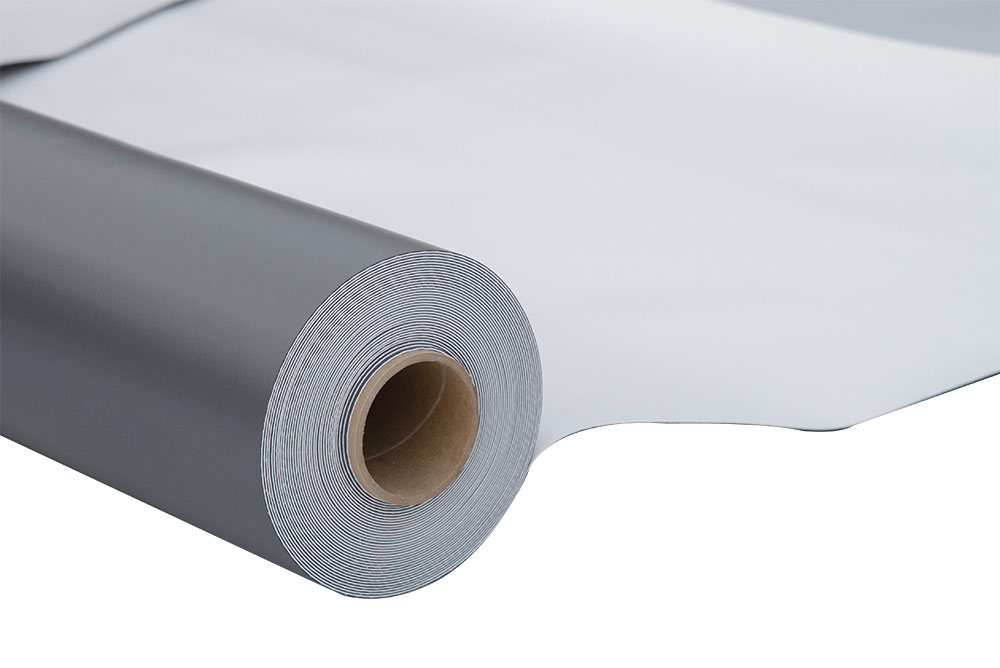
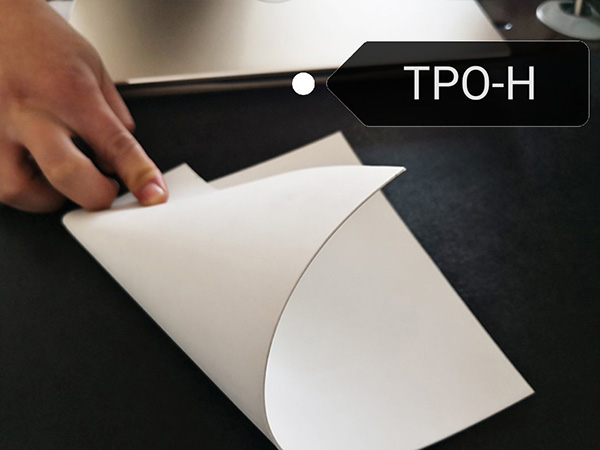
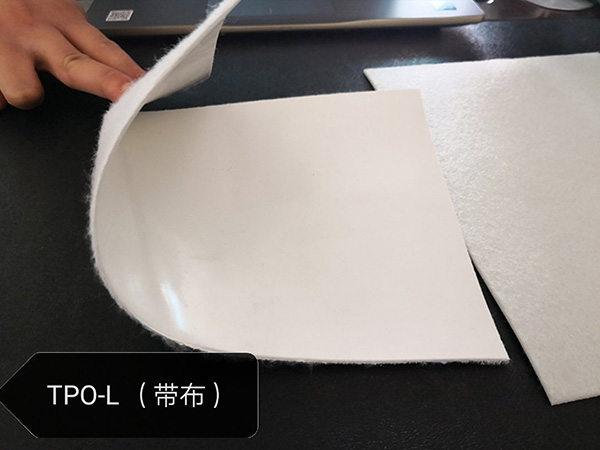
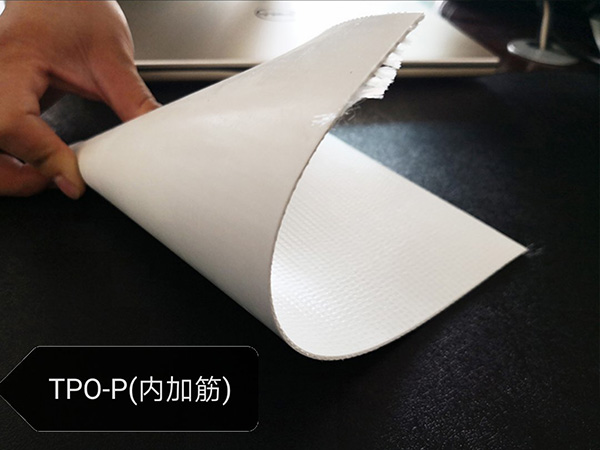
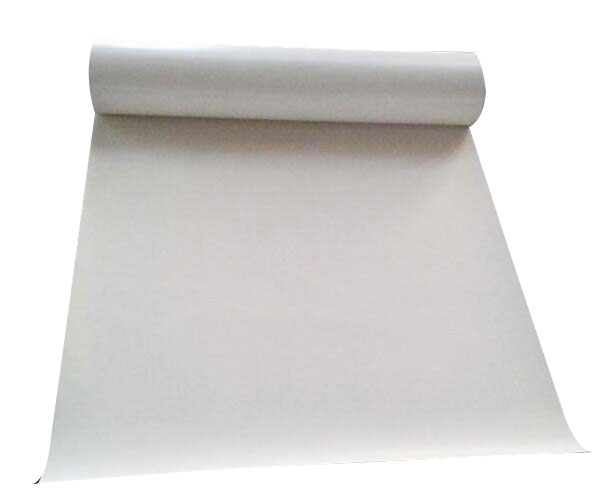
Thermoplastic polyolefin waterproof membrane is a new type of waterproof coiled material, which is made of petroleum resin, ethylene, acetic acid and ethylene resin, adding antioxidant, antioxidant, softener and fabric fiber and aluminum film on the surface. In recent years, it is a new material popular in the United States and Europe, and gradually occupies an important position. The physical properties of the material meet the requirements of "polymer waterproof materials" (gb18173-2000). TPO waterproofing membrane combines the performance advantages of EPDM and PVC, which has the weatherability, low temperature flexibility and weldability of the latter. This material is different from traditional plastics. It shows high elasticity of rubber at room temperature and can be molded like plastic at high temperature. Therefore, this material has good machinability and mechanical properties, and has high-strength welding properties.
Thermoplastic polyolefin applications:
1.Roofing Membranes : TPO roofing membranes are widely used in commercial and residential construction for flat or low-slope roofs due to their excellent weatherability, UV resistance, and seam strength
2.Geomembranes: TPO geomembranes are used in civil engineering applications such as landfill liners, pond liners, and waterproofing membranes for underground structures due to their chemical resistance and durability.
Thermoplastic polyolefin advantages:
1• Superior Mechanical Properties: TPO has a tensile strength of > 21 N/mm² and an elasticity of >25%. This makes it well equipped to stand up to adverse weather conditions and thermal movement.
2• Superior Ageing Properties: Due to a TPO membrane having an inert nature and no added plasticisers, it has good dimensional stability over time. This means it provides a consistent performance over its full service life.
3• High Flexibility At Low Temperatures: The polymers used in the design of TPO roofing membranes are permanently flexible. This means they can be installed with great success in the in the extremes of ambient temperature. A TPO roofing membrane can have cold temperature flexibility down to -45°C. This is one of the installation advantages of TPO, as it can be installed at very low temperatures and endure the substrate movements which occur during extreme winter conditions.
4• Dimensional stability: The TPO membrane has good dimensional stability, as it is inert, with limited shrinkage (<0.1%).
5• Lightweight: TPO has a low specific weight 1.14 kg/m² @ 1.1mm vs. 7-10kg/m² for 2 ply bitumen system. Superior micro bacterial resistance meaning it stays lighter for longer.
6• Resistant To Puncture And Abrasion: Excellent static (point load of 25 kg) and dynamic puncture resistance (10mm with no penetration).
7• Vapour Permeable: TPO is permeable to moisture vapour with a µ-value of 60.000.
8• Choice of Colours & Reflectivity: TPO offers a choice of colours for greater aesthetic dynamics and offers high reflectivity which may help to reduce a building’s summer cooling costs.
9• Allows For Hot-Air Seaming Techniques: This forms a strong watertight and airtight seam. This is potentially stronger than the welded materials, helping to maximize the longevity of products.
1.• Root Resistant: TPO is FLL tested. It is root resistant making it an ideal choice of waterproofing for green roof situations.
11• Low Environmental Impact: TPO membranes are not vulcanised.They are hot air weldable and completely recyclable. This allows the re-use of left over parts of TPO membranes without diminishing any of the benefits TPO provides. The low environmental impact of TPO roofing is furthered due to the lack of plasticizers, non-halogenated formulation, and recyclability
12• Outstanding Ageing Properties: Actual field experience has proven TPO performs satisfactorily over 20 years.
InstallingThermoplastic polyolefin waterproof steps:
1. Clean and smooth the base layer.
2. Arrange the specifications on the undispersed bottom surface before laying, and pop up the marking line as the reference point for laying the waterproof membrane
3. Loosely place the waterproof membrane, keep it flat, and pre-applied it on the base layer straight.
4. Use a welding machine to weld each welding edge (our company also sells automatic welding machines, if you are interested, please click the official website for more details, and of course you are welcome to send an email to inquire).
Wall or corner:
5. Cut out a suitable waterproof membrane, and weld the sheet on the large-faced membrane with a welding torch.
6. Fix it with a U-shaped termination bar, and then seal it up.