Welcome to Long loong
PE/PP Composite Waterproof Membrane Pre-Shipment Checklist
A clean wrapper and the right roll count are useful, but they do not tell an importer whether the shipment actually matches the order. Before PE/PP composite waterproof membrane leaves the warehouse, the buyer needs a short, traceable check covering product identity, visible condition, documents and packaging.
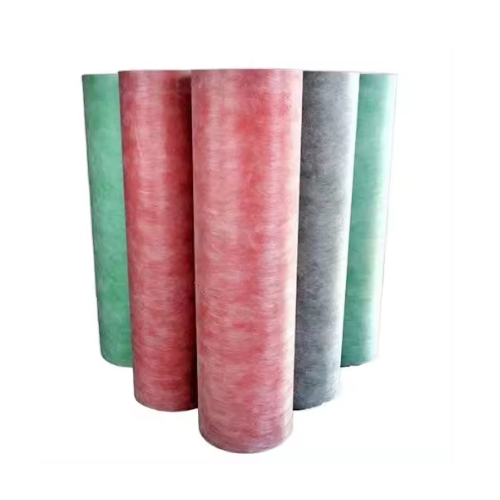
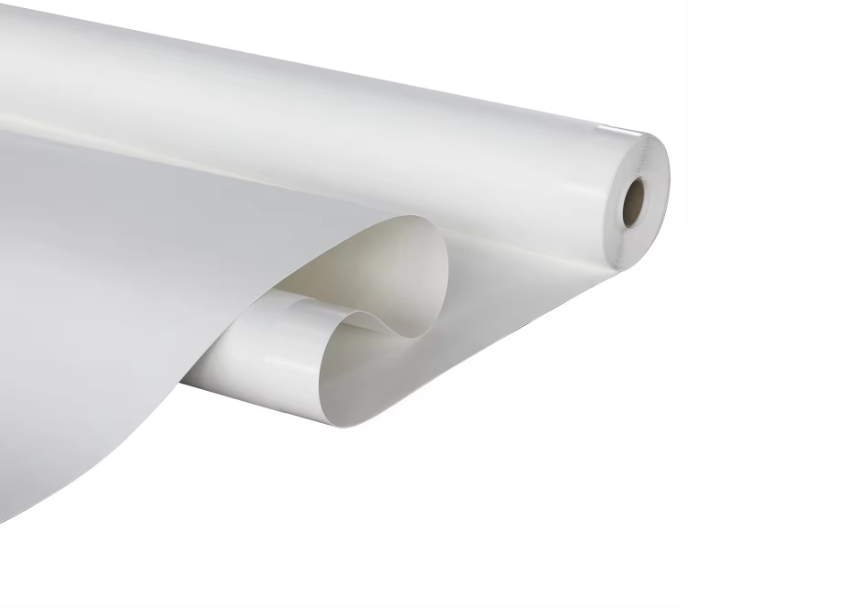
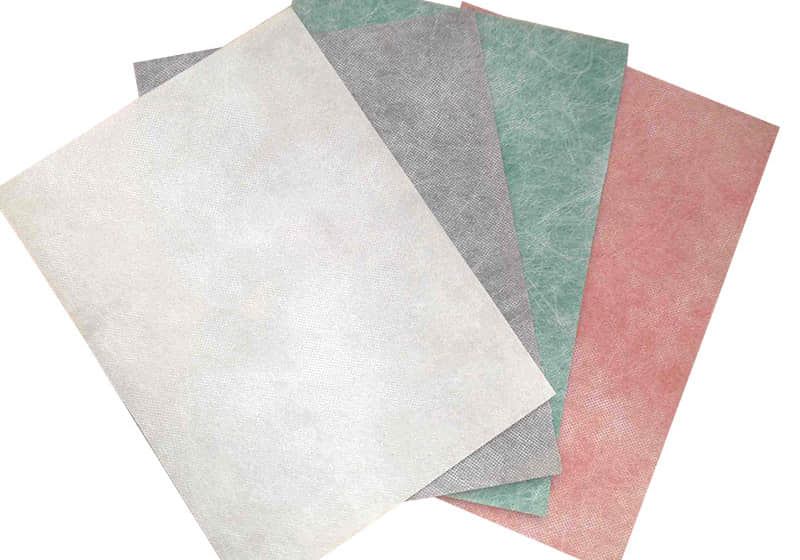
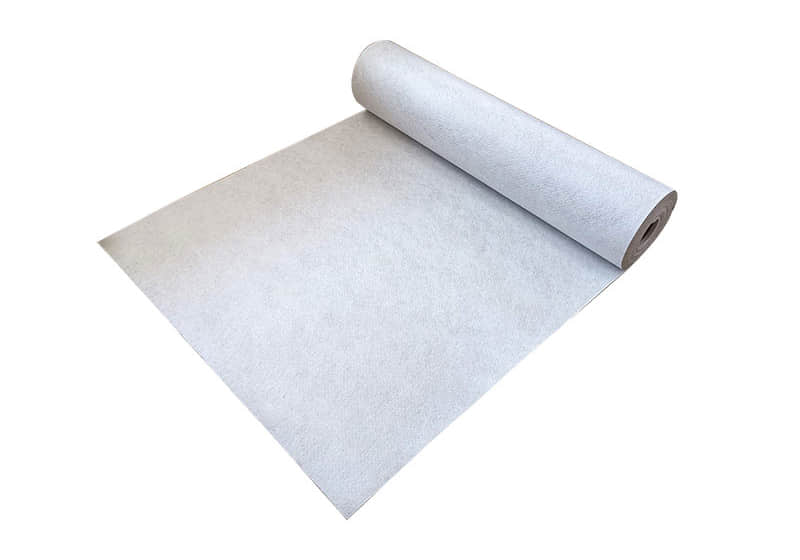
The Longloong PE/PP composite waterproof membrane uses polyethylene with high-strength polypropylene or polyester non-woven fabric. The product information describes reinforced adhesive layers on the surface and waterproof and anti-aging layers in the middle. It is listed for roofs, basements, kitchens and bathrooms, water-conservancy work, tunnels, bridges and other construction uses. That range of applications is exactly why a buyer should inspect against the confirmed order rather than a generic sample.
1. Put the approved order beside the inspection sheet
Before viewing the goods, place the purchase order, confirmed product description and packaging requirements on one inspection sheet. The document should identify the product name, intended application, ordered quantity, agreed roll format, required marks and the destination. If the material is connected to a construction specification, include the relevant clause rather than relying on a general product name.
This sounds obvious, yet it is where many disputes begin: the goods look acceptable, but they are not the version described in the purchase order. A change in construction, surface, packaging or identification is easier to resolve before loading than after the receiving warehouse opens the container.
2. Verify product identity and batch consistency
Check the labels and outer marks against the order. Product naming should remain consistent across the quotation, purchase order, packing list and roll labels. Record the batch or production identification shown on the supplied documents, and compare several packages rather than examining only the easiest roll to reach.
For a mixed or distributor order, separate the quantities by product version and packaging mark. Take clear photographs of labels and package groups. This provides a useful receiving reference and makes it easier to investigate a discrepancy without opening every package after arrival.
3. Examine the membrane surface, edges and layer condition
Select representative rolls from different positions in the prepared shipment. Look for visible tears, holes, contamination, severe folds, damaged edges or separation between layers. The non-woven surface should appear reasonably consistent across the sample, and the roll should not show obvious handling damage that could affect installation.
Visual inspection cannot prove waterproofing performance, tensile strength or long-term durability. Its purpose is to identify obvious defects and inconsistent material before loading. If the appearance differs from the approved sample, isolate the affected goods and request a technical review instead of accepting the difference as a normal variation.
4. Link test records to the product being shipped
The product page lists FS2 technical data under GB18173.1-2012. The listed items include fracture tensile strength, elongation at break, tearing strength, watertightness, low-temperature bending, heating expansion, hot-air aging, alkali resistance and ozone aging. For reference, the published table includes the following values:
fracture tensile strength at 23°C: at least 60 N/cm;
fracture tensile strength at 60°C: at least 30 N/cm;
elongation at break at 23°C: at least 400%;
elongation at break at -20°C: at least 300%;
tearing strength: at least 50 N;
watertightness at 0.3 MPa for 30 minutes: no leakage;
low-temperature bending at -20°C: no crack.
A buyer should confirm which specification applies to the exact product being ordered and request the corresponding current test information when the project requires it. Do not treat a general webpage table as a substitute for the documents agreed for a specific contract or project.
5. Use a representative sampling plan
An inspection is more useful when samples are chosen deliberately. Take rolls from more than one package group and, where possible, from different positions within the prepared shipment. Record which rolls were opened, what was checked and whether the roll was repacked correctly.
The number of samples should reflect the order size, buyer requirements and project risk. If the contract contains a sampling method, follow that method. For ordinary wholesale checks, the aim is to avoid making a shipment decision from one specially selected roll.
6. Check packaging for the full transport route
Packaging should remain intact and protect the membrane from avoidable damage during handling. Inspect torn wrapping, exposed edges, loose labels and unstable packages before loading. Confirm that the quantity and package grouping match the packing list and that the marks can still be read after normal warehouse handling.
Longloong's product information advises storing the membrane on a ventilated, cool and dry horizontal floor. It also states that stacking should not exceed five package-membrane heights and that the material should not contact acids, alkalis, oils or organic solvents. These conditions should be passed to the receiving warehouse and distributor branches, not kept only in the supplier's documents.
7. Confirm installation-related information before release
The product instructions begin with cleaning the base surface and preparing the bonding mortar before laying and pressing the membrane. A buyer should therefore confirm that the selected product and installation method match the project design, substrate and local working conditions.
Before shipment, collect the current installation guidance that will accompany the order. If the contractor has an unusual substrate, pipeline detail or chemical-exposure condition, send that information for review. Shipment inspection is the last practical point to resolve a mismatch before material reaches the jobsite.
8. Build a simple shipment-release file
The final inspection file does not need to be complicated. It should contain the order reference, product and quantity checked, package and label photographs, sample-roll photographs, relevant test or technical documents, packing-list comparison, nonconformity notes and the final release decision.
If a problem is found, record the affected package, the required correction and the person responsible for rechecking it. Do not close the inspection simply because the loading date is approaching. A short, traceable correction record is more useful than a large collection of photographs without conclusions.
What to send with a PE/PP membrane enquiry
For a technical or wholesale enquiry, state your buyer type, destination market, intended application, project requirements, expected quantity, packaging needs and preferred inspection documents. Attach the relevant drawing or specification when the membrane will be used in a defined construction system.
Review the PE/PP composite waterproof membrane product information, then contact Longloong with the application, destination, expected quantity and required documents. Those details give both sides something concrete to check before the shipment is released.