Welcome to Long loong
How Distributors Should Select Butyl Sealing Tape for Roofing and Repair Orders
A distributor can receive several enquiries for “butyl tape” in one morning, yet the customers may be solving completely different problems. One contractor needs flashing around a roof detail, another is repairing a gutter, and an HVAC installer wants to seal a leaking joint. Supplying the same item description to every customer can lead to repeated questions, unsuitable stock and avoidable returns.
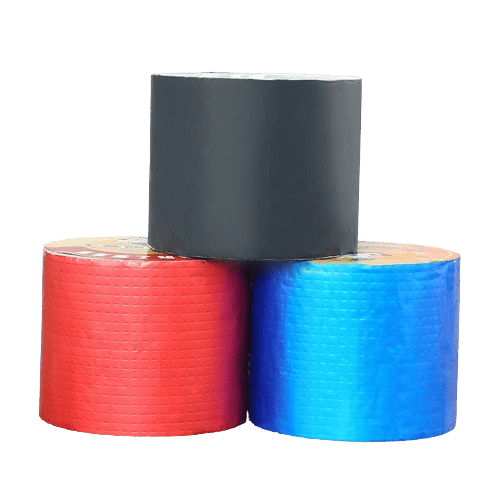
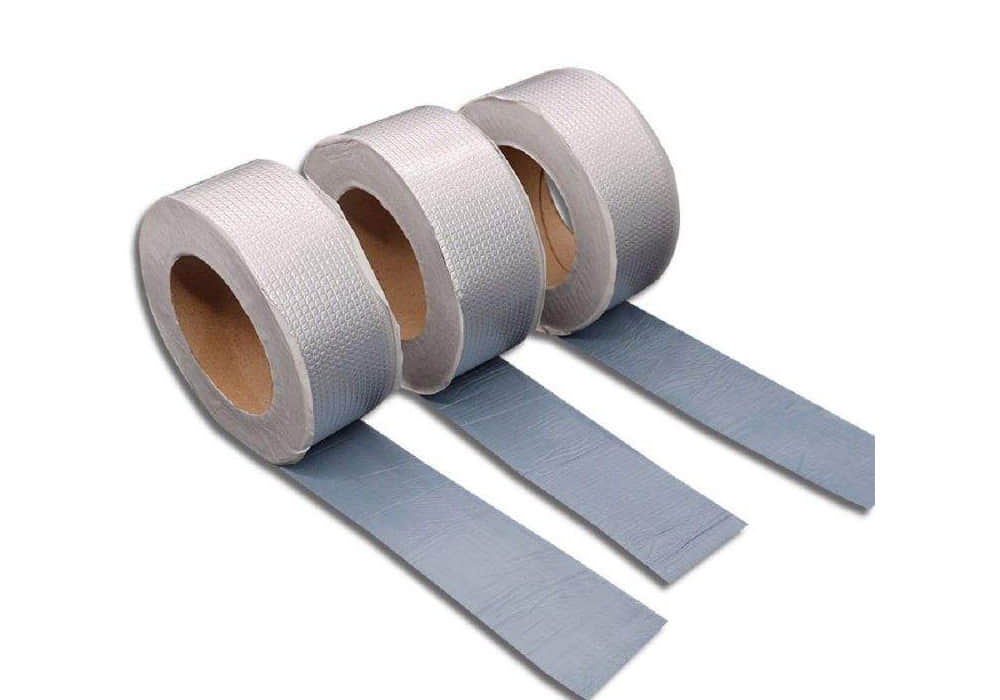
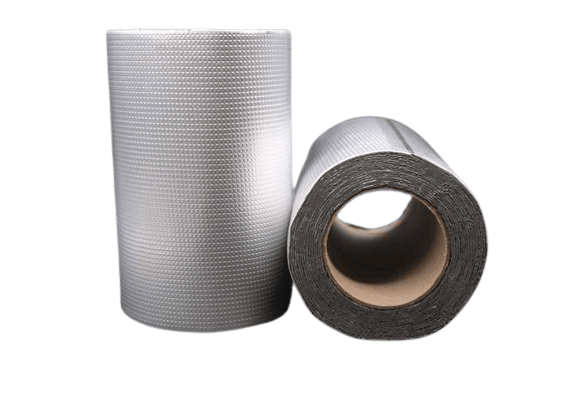
Longloong's current product is an aluminum-faced, single-sided self-adhesive butyl rubber tape. Its construction includes reflective aluminum foil, polymer film, a butyl rubber adhesive layer and a release liner. For B2B buyers, the practical task is to match the tape configuration and order information to the customer's actual sealing work.
1. Separate enquiries by sealing application
Begin by asking what the customer will seal or repair. The Longloong butyl tape product page lists uses in roofing and cladding, gutters and downpipes, HVAC systems, caravan panels, conservatory work and pond-liner repair. These applications differ in joint shape, exposure, substrate and installation access.
A useful distributor catalogue should therefore describe application groups instead of listing one generic “waterproof tape.” This helps sales staff ask better questions and lets project buyers identify whether they need a roofing-flashing tape, a general repair tape or a sealing tape for a particular joint.
2. Identify the substrate before discussing the order
Butyl compound is described as adhering to a wide range of surfaces, but the buyer should still state the exact substrate. Metal sheet, coated panel, roof deck, gutter, pipe chamber and flexible liner do not present the same surface condition. Ask whether the surface is new or weathered, smooth or irregular, horizontal or vertical, and whether old sealant or contamination is present.
When the substrate is unusual or the surface finish is uncertain, arrange a small compatibility test before confirming a bulk order. A clear substrate description is more valuable than assuming that one tape will behave identically on every material.
3. Define joint geometry and exposure conditions
Send the supplier photographs or a simple sketch showing the joint width, overlap, corners, punctures and changes in direction. Also explain whether the repair remains exposed to sunlight and rain or will be covered by another component. These details influence how much tape is required and how installers should position it.
For roof and cladding work, include penetrations, laps and flashing edges. For gutters and downpipes, show the leak location and available pressing area. For caravan panels or HVAC chambers, explain whether the tape must follow an irregular profile. This allows the supplier to discuss a practical option instead of quoting from quantity alone.
4. Build a distributor range around real customer jobs
Distributors do not always need the largest possible assortment. A focused range built around frequent local jobs is usually easier to sell and replenish. Review recent enquiries and group them by application, requested tape width, roll format, packaging and expected order size. Then ask Longloong which available options can cover those groups.
Avoid publishing unconfirmed technical claims in your own catalogue. Use the agreed product description and current supplier documents. If a customer has a project specification, send the relevant clause for confirmation rather than assuming that a general product statement satisfies the project requirement.
5. Confirm installation preparation with the customer
The product instructions call for a clean, dry surface without dust, grease, moisture or loose particles. The tape is measured and cut, the release liner is removed, and the tape is aligned before firm pressure is applied. A roller or similar tool is used to improve contact and help the tape conform to the surface.
These steps should appear in distributor training and contractor handover notes. Before supplying a project, confirm that the crew can clean and dry the substrate, cut the tape safely, press the full bonded area and inspect for loose sections or trapped air. Where strips meet, the installation plan should provide a continuous seal and follow the product guidance for overlaps.
6. Calculate quantity from details, not only linear metres
A customer's first calculation may cover only the main joint length. Ask for corners, end laps, penetrations, patches, waste allowance and trial pieces as separate items. Irregular repairs can consume more material than a straight run of the same measured length.
For project orders, prepare a line-by-line quantity sheet showing each application area and the tape allocated to it. For wholesale stock, compare expected monthly demand with the customer's preferred roll format and carton handling. This supports more accurate replenishment and reduces the chance that a contractor runs short during installation.
7. Align packaging and identification before production
A distributor order may be split between a central warehouse, branches and several project customers. Confirm the product name, tape configuration, ordered quantity, unit and outer packaging, carton marks and any required distributor identification before production. If private labels are requested, submit artwork and define the approval process early.
Keep the same description on the quotation, purchase order, packing list, labels and warehouse system. Consistent identification helps receiving teams distinguish products and gives sales staff a reliable reference when repeat orders arrive.
8. Send a concise B2B enquiry for technical review
A useful enquiry should state the buyer type, destination market, intended applications, substrate, joint or repair dimensions, exposure conditions, expected quantity, packaging needs and delivery window. Attach photographs, drawings or the relevant project specification where available.
For example: “We distribute roofing repair materials. Our customers seal metal roof laps and repair gutters. Please recommend an aluminum-faced butyl tape option and list the available order and packaging information.” This is easier to review than a message asking only for the lowest price.
To prepare a project or wholesale enquiry, review the Butyl Tape product information and contact Longloong with the application, substrate and order details. The clearer the customer's job is, the easier it is to compare a suitable supply proposal.