Welcome to Long loong
Bentonite Waterstop for Below-Grade Joints: An Importer’s Specification Guide
For a below-grade concrete project, a bentonite waterstop should be specified together with the joint detail, not selected only by a catalogue name. Importers and project buyers need to know where the joint is located, how the product will be fixed before the pour, and which expansion level fits the water exposure.
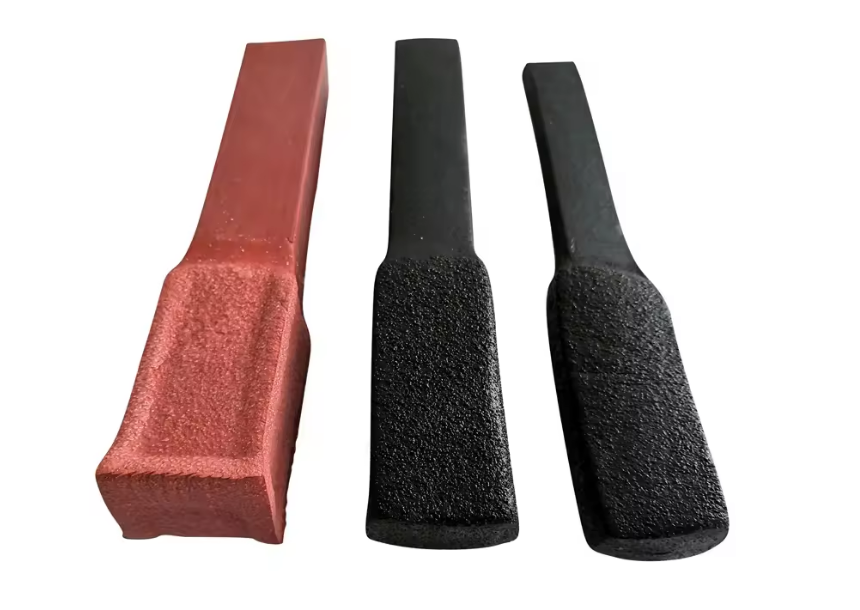
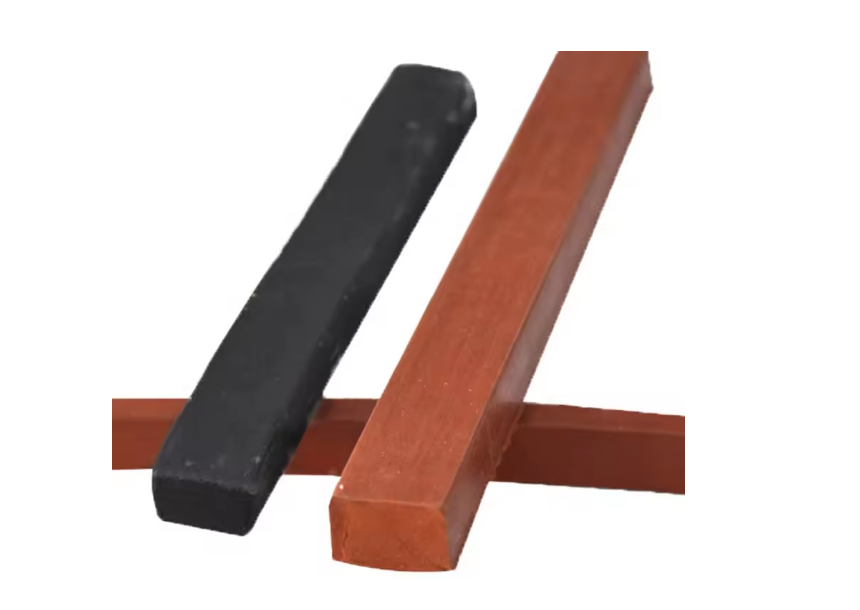
Longloong describes its bentonite waterstop as a hydrophilic water-sealing product that uses rubber as the base material. The product is intended to form a moisture-active seal and is listed for concrete joints in basements, foundations, tunnels, water-treatment structures, retaining walls and other underground or water-engineering projects.
Start with the joint location
Before requesting a quotation, mark the joint on the drawing. The product page lists vertical and horizontal construction joints, the junction of old and new buildings, wall pipes, cable ducts and irregular surfaces as typical locations. This information is more useful than sending a request that only says “bentonite waterstop price”.
Understand the moisture-activated sealing action
The page states that the waterstop expands when it contacts water and fills gaps. It also notes that the rubber-based construction is intended to control the expansion rather than allowing the material to lose its integrity during continual expansion. The installer still needs to follow the approved joint detail and the supplier’s instructions for the specific profile.
Compare the listed expansion grades
Longloong lists four product grades in its technical table. The published expansion rates are 150% for PZ-150, 250% for PZ-250, 400% for PZ-400 and 600% for PZ-600. Do not choose a grade only because it has a larger number; ask the project designer or supplier to confirm the correct grade for the joint and expected water conditions.
| Grade | Hardness Shore A | Tensile strength | Minimum elongation | Expansion rate |
|---|---|---|---|---|
| PZ-150 | 42±7 | 3.5 MPa | 450% | 150% |
| PZ-250 | 42±7 | 3.5 MPa | 450% | 250% |
| PZ-400 | 45±7 | 3 MPa | 350% | 400% |
| PZ-600 | 48±7 | 3 MPa | 350% | 600% |
Keep the strip in position before the concrete pour
The published installation sequence is straightforward: clean the joint, cut the required length, position the strip centrally and keep it flat without twists. Temporary fixing can use adhesive tape or clips. During concrete placement, avoid displacement and make sure the concrete encapsulates the waterstop completely. Vibration should compact the concrete around the strip without direct contact.
Prepare an importer’s document checklist
Joint location and project application
Required grade or design expansion rate
Profile dimensions and order length
Fixing method before the concrete pour
Technical data and repeated-water-immersion requirements
Storage, packing and inspection documents
For a project-specific recommendation, send the joint drawing, application area and required grade to the bentonite waterstop product team or contact Longloong.