Welcome to Long loong
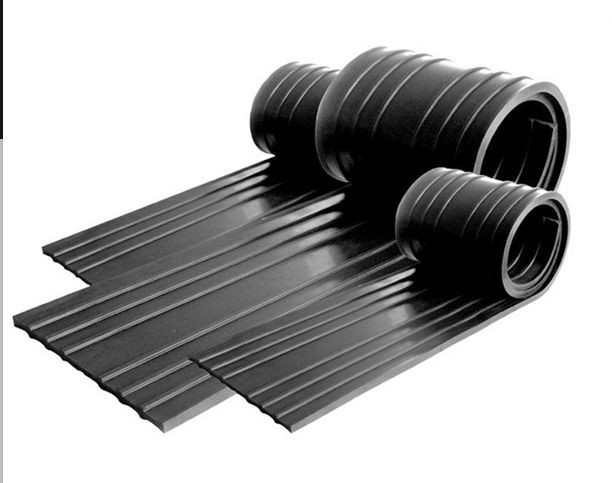
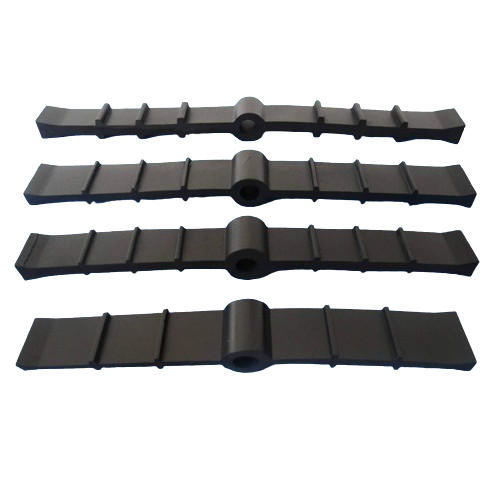
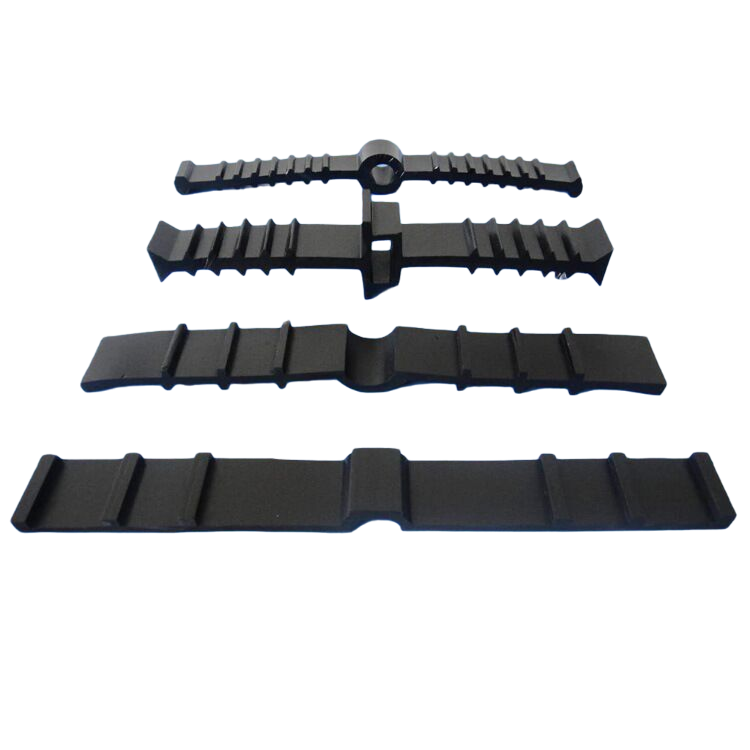
Rubber Waterstop Manufacturer
Rubber waterstop introduction:
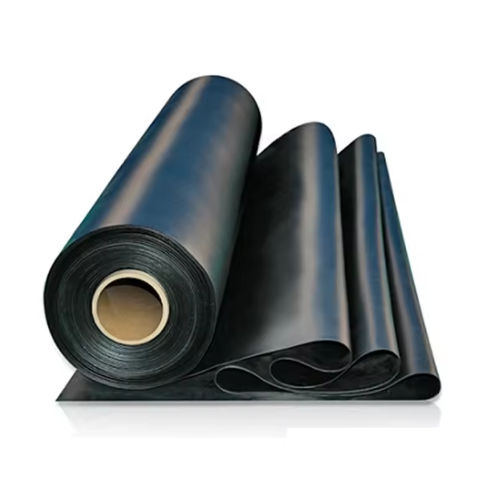
Rubber waterstop, made of quality SBR (styrene butadiene rubber), neoprene rubber or natural rubber, is one of the widest types for concrete structure to prevent liquid leaking in or out. Generally, designed to be cast in the concrete, rubber waterstops are ideal for applications where high physical properties of rubber are required. For example, reservoirs, dams and other water retaining or excluding applications with high movements or water pressure.
Production model
We specialize in producing HDPE Waterstop,TPV waterstop, Rubber waterstop, Steel-edge waterstop, reinforced waterstop etc., offering various sizes. Whether it's standard products or custom specifications, we provide personalized customization services to ensure meeting your project requirements.
Rubber waterstop Features
1.High elasticity.
2.High elongation.
3.Excellent high movement accommodation.
4.Capable to withstand high hydrostatic head.
5.Adjust for subsidence and seismic movements.
6.Hot vulcanized site joints.
Rubber waterstop applications:
1.Ideal for high movements joints.
2.Water containments.
3.Water excluding.
4.Tunnels and civil engineering structures.
5.Water and waste treatments.
6.Dams, reservoirs, and spillway.
7.Chemical areas.
8.Irrigation canals, sea walls and culverts.
Installing Rubber waterstop steps:
1. Preparation:
- Inspect the construction site to ensure a smooth and clean surface, and remove any obstacles that may interfere with the installation of the waterstop.
- Gather the necessary tools and materials, including the waterstop, cutting tools, adhesive, sealant, etc.
2. Measurement and Cutting:
- Measure and cut the waterstop to the required lengths based on the dimensions and requirements of the construction site.
3. Positioning and Installation:
- Place the waterstop in the designated position, ensuring it fully covers the joints or junctions that require waterproofing.
- Maintain proper alignment of the waterstop and ensure it makes tight contact with the surrounding surface.
4. Fixing and Sealing:
- Secure the waterstop to the ground or structure using adhesive or other appropriate fixing materials to ensure stability.
- Apply sealant at the joints and ends of the waterstop to prevent water penetration.
5. Quality Check:
- Conduct a quality check after installing the waterstop to ensure there are no leaks or loose connections.
- Make any necessary adjustments or additional sealing to ensure the effectiveness and durability of the waterstop.
6. Cleaning and Tidying Up:
- Clean the construction site, removing any excess materials and tools to maintain a tidy environment.
7. Documentation and Inspection:
- Document the installation of the waterstop, including its position, dimensions, fixing methods, etc.
- Perform a final inspection to ensure the installation of the waterstop meets relevant standards and requirements.
Technical Data:
Physical properties | Test methods | SBR | High tensile neoprene rubber | Natural rubber |
Water absorption 2 days at 70°C (% change) | ASTM D-471 | 5% (max) | 5% (max) | 5% (max) |
Hardness shore A | ASTM D-2240 | 65 | 65 | 65 |
Tensile strength | ASTM D- 412 | 3000 psi (min) | 2500 psi (min) | 3500 psi (min) |
Tensile strength at 300% Modulus | ASTM D-412 | 1150 psi (min) | 1150 psi (min) | 1450 psi (min) |
Ultimate elongation | ASTM D-412 | 450% (min) | 450% (min) | 500% (min) |
Compression set 22 hours at 70°C (% original deflection) | ASTM D-395 | 30% (max) | 40% (max) | 30% (max) |
Accelerated aging 96 hours at 70°C (% of tensile strength before aging) | ASTM D-573 | 80% (min) | 80% (min) | 80% (min) |
Accelerated aging 96 hours at 70°C (% of elongation before aging) | ASTM D-573 | 80% (min) | 80% (min) | 80% (min) |
Ozone resistance 7 days at 50 PPHM at 70°C, 20% elongation | ASTM D-1149 | No crack | No crack | No crack |