Welcome to Long loong
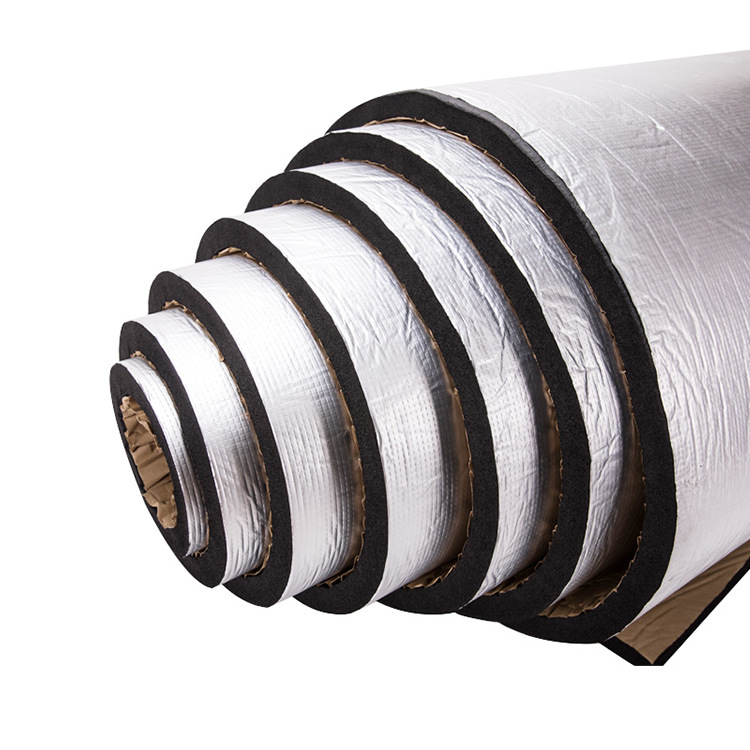
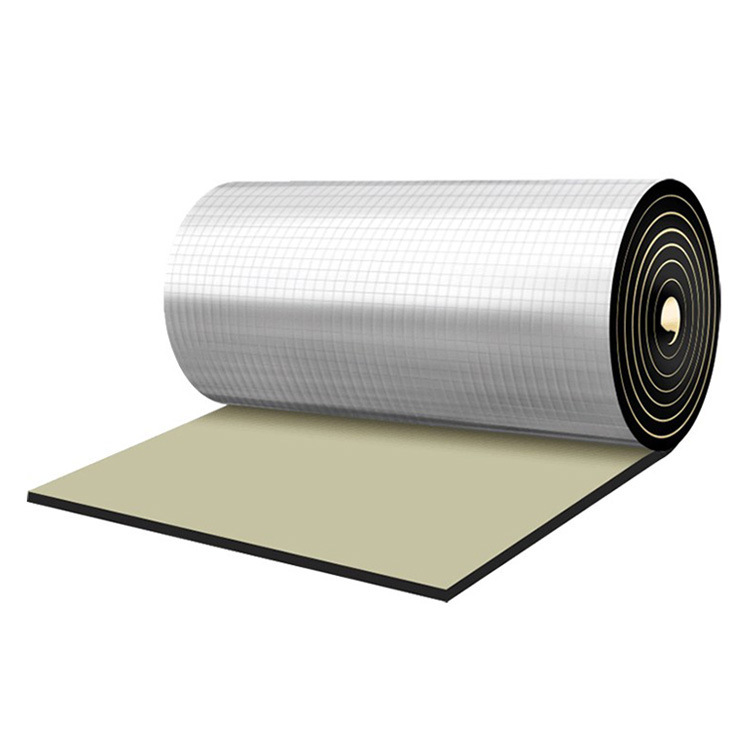
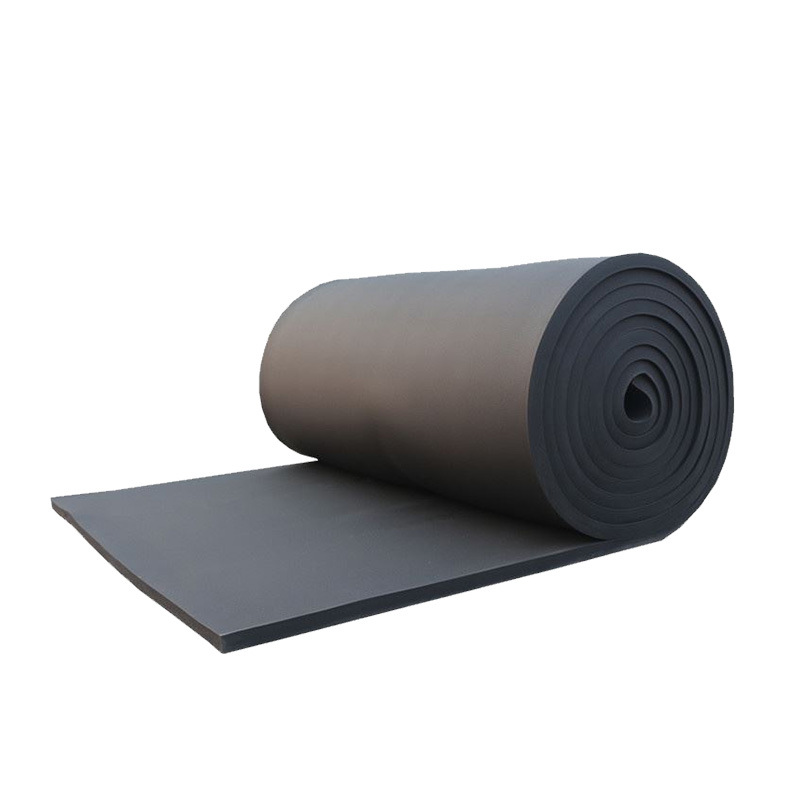
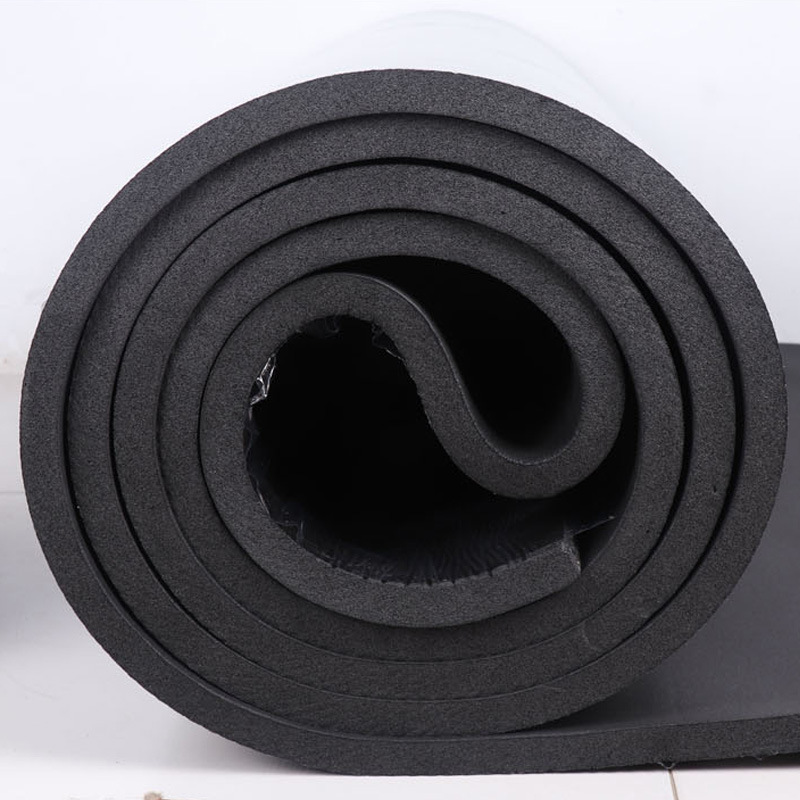
rubber-plastic insulation board insulation
Rubber-Plastic Insulation Board introduction
Rubber-Plastic Insulation Board are produced by the cutting-edge technology introduced from abroad and the automatic production line,with nitrile-Butadiene rubber (NBR)and polyvinyl chloride(PVC) in excellent performances as the main materials and viaspecial processes of banburying ,sulfuration ,foaming ,ect,
Rubber-Plastic Insulation Board applications:
1.HVAC Systems: Insulation for heating, ventilation, and air conditioning ducts to improve energy efficiency and reduce condensation.
2.Plumbing: Insulating pipes to prevent heat loss in hot water pipes and condensation on cold water pipes.
3.Building Envelopes: Used in walls, roofs, and floors of buildings to enhance thermal insulation and energy conservation.
4.Industrial Applications: Insulation for tanks, equipment, and industrial machinery to maintain temperature and reduce energy consumption.
5.Sound Insulation: Applied in areas requiring noise reduction, such as studios, conference rooms, and residential buildings.
Rubber-Plastic Insulation Board advantages:
1.Low and Stable Thermal Conductivity :0.034w/m.k
2.Low Water Absorption Rate
3.Good Fireproof and Soundproof Performance
4.Good Flexibility and Tenacity
5.Good Aging Resistance Performance
6.Good Vibration resistance
7.Closed-cell Structure
8.Closed pore foaming ,Good damp-proof property
9.Simple and Easy Installation
10.Beautiful Appearance
11.Wide Temperature range -40℃-105℃
Technical Data: | |||
Property | Unit | Value | Test Method |
Temperature range | °C | (-50 - 110) | GB/T 17794-1999 |
Density range | Kg/m3 | 45-65Kg/m3 | ASTM D1667 |
Water vapor permeability | Kg/(m.s.pa) | ≤0.91×10 ﹣¹³ | DIN 52 615 BS 4370 Part 2 1973 |
μ | - | ≥10000 | |
Thermal Conductivity | W/(m.k) | ≤0.030 (-20°C) | ASTM C 518 |
≤0.032 (0°C) | |||
≤0.036 (40°C) | |||
Fire Rating | - | Class 0 & Class 1 | BS 476 Part 6 part 7 |
Flame Spread and Smoke Developed Index | 25/50 | ASTM E 84 | |
Oxygen Index | ≥36 | GB/T 2406,ISO4589 | |
Water Absorption,%by Volume | % | 20% | ASTM C 209 |
Dimension Stability | ≤5 | ASTM C534 | |
Fungi resistance | - | Good | ASTM 21 |
Ozone resistance | Good | GB/T 7762-1987 | |
Resistance to U.V. and weather | Good | ASTM G23 | |
Rubber-Plastic Insulation Board insulation steps:
1.Measure: the area to be insulated to determine the amount of insulation needed.
2.Clean: the surface area to ensure it’s free of dust and debris.
3.Cut: the insulation boards to the required size using a sharp knife or cutter for a precise fit.
4.Fit: the boards snugly between spaces or onto the surfaces being insulated, such as walls, pipes, or duct work.
5.Secure:the boards in place, if necessary, using appropriate adhesives or mechanical fasteners designed for use with rubber-plastic materials.
6.Seal: any joints or edges with appropriate tape or sealants to prevent air leaks and ensure continuous insulation coverage.
7.Cover: the insulation with a protective layer if it will be exposed to physical damage or UV light, using materials like aluminum foil or protective paint.