Welcome to Long loong
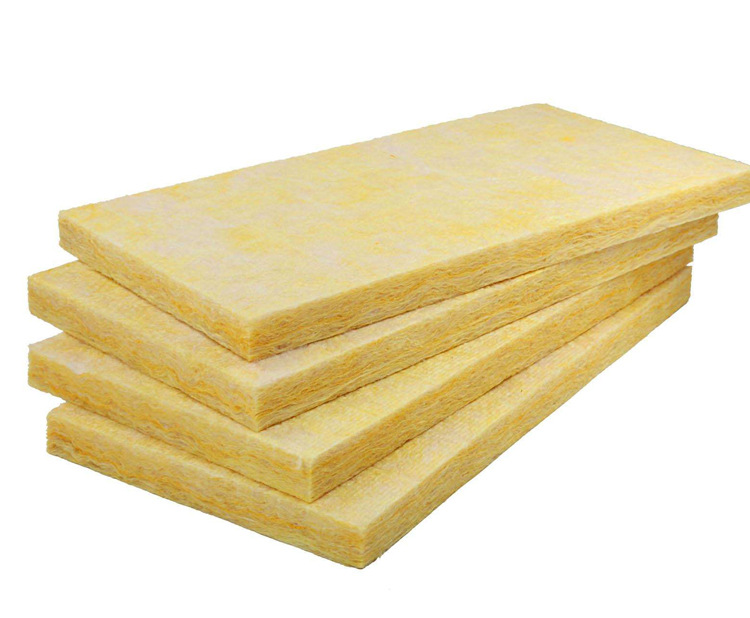
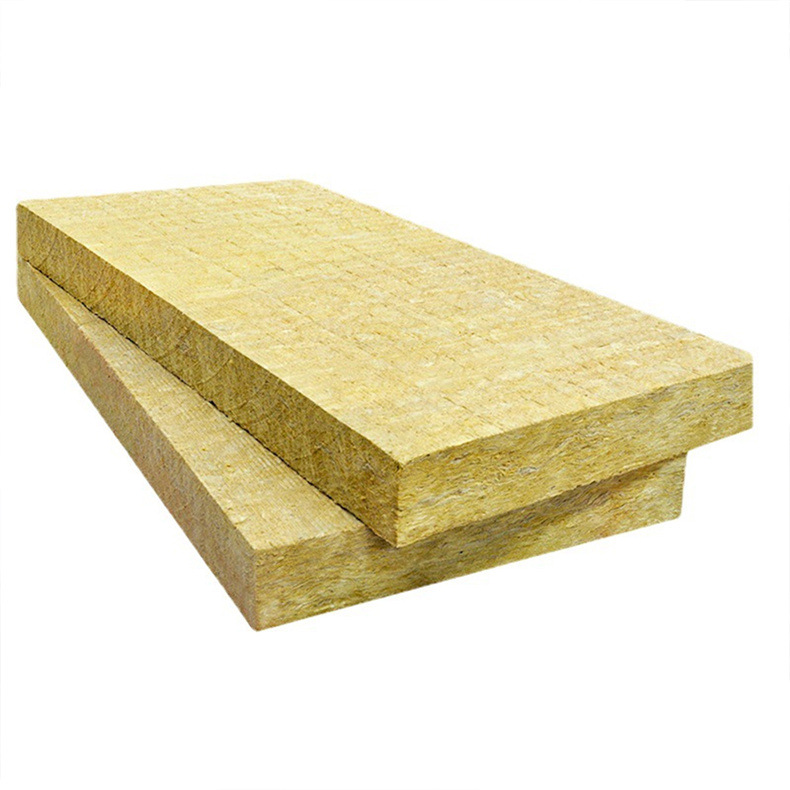
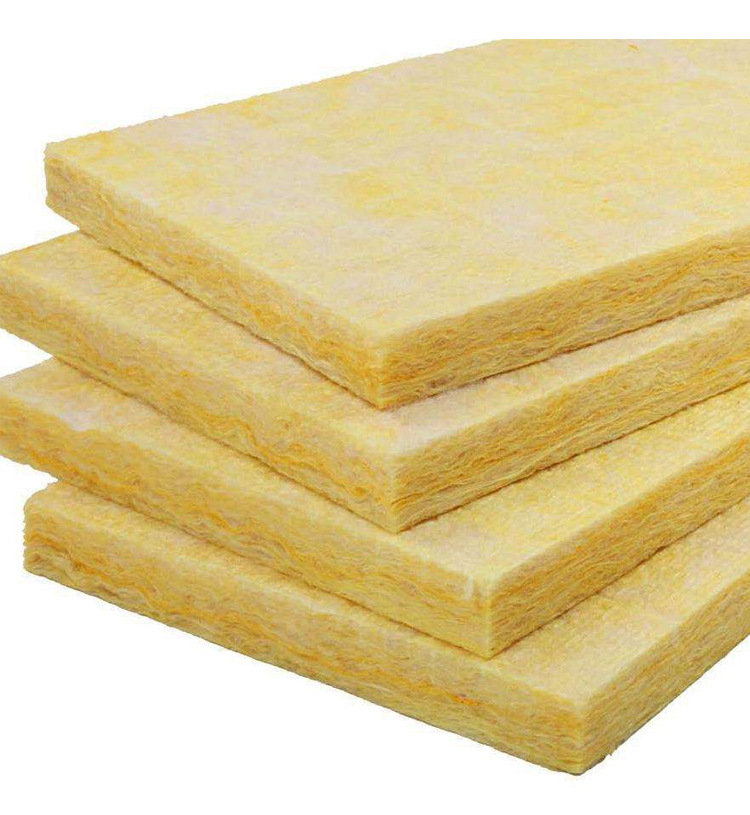
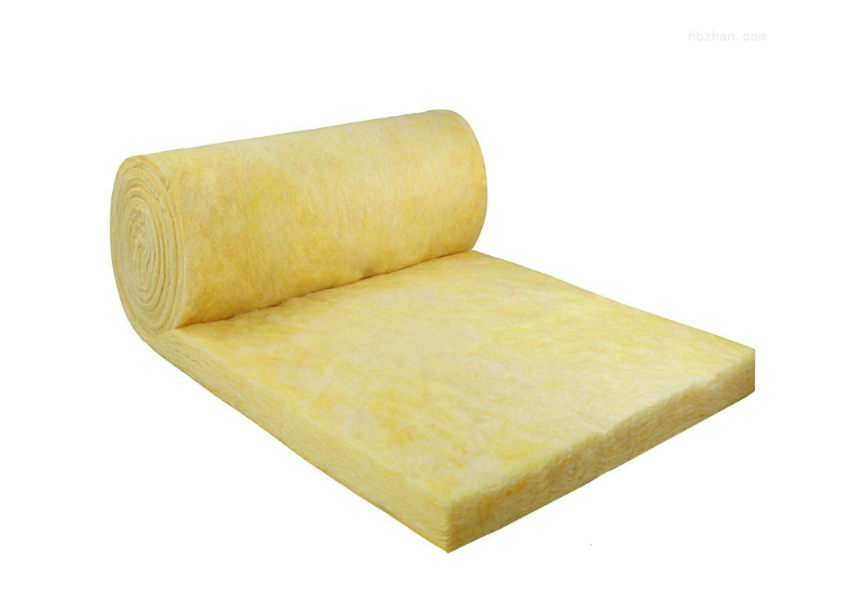
rock wool board insulation
rock wool board introduction:
Rock wool board is an insulation material widely recognized for its exceptional thermal resistance, fire safety, and sound absorption capabilities. Made from natural basalt rock and recycled slag, the rock is melted and spun into fine fibers, which are then formed into dense boards.
Rock wool boards application :
1.Exterior Wall Insulation: Enhances thermal performance and energy efficiency of buildings.
2.Roof Insulation: Prevents heat loss and gain, maintaining comfortable indoor temperatures.
3.Interior Partitions:Offers sound insulation between rooms and fire protection.
4.Ceilings: Provides acoustic insulation and fire resistance in residential and commercial buildings.
5.ipes and Ducts:Insulates pipes and ductwork to maintain temperature and prevent energy loss.
6.Equipment Insulation: Protects machinery and equipment from heat and reduces energy consumption.
7.Fire Protection: Used in areas requiring fire-resistant materials to prevent the spread of fire.
8.Ships and Vessels: Insulates and protects against fire in marine environments.
9.Offshore Platforms: Offers insulation and fire protection in harsh, demanding conditions.
10.Greenhouses: Insulates structures to maintain optimal growing conditions.
11.Appliances: Used in the manufacturing of fire-resistant and insulating components for appliances.
12.Automotive: Insulates and provides fire protection in vehicles and automotive parts.
Cinemas, Theaters, and Studios: Improves acoustics by absorbing sound, reducing echo and noise.
13.Fireproof Doors and Panels:Integral part of fire-rated doors and panels for buildings.
14.Cryogenic Systems: Insulates at extremely low temperatures in industrial refrigeration.
Rock wool boards Product Features:
1.Efficient Thermal Barrier:Rock wool provides excellent insulation, helping to reduce energy costs by keeping indoor environments warmer in winter and cooler in summer.
2.Non-Combustible: Capable of withstanding temperatures above 1,000°C, offering exceptional fire resistance that helps prevent the spread of flames and smoke.
3.Noise Reduction: The fibrous structure of rock wool efficiently absorbs sound, reducing noise transmission and enhancing acoustic comfort.
4.Water Repellent Yet Breathable:Rock wool repels water, preventing moisture buildup without compromising its breathability, thus maintaining its thermal efficiency.
5.Eco-Friendly: Made from natural and recycled materials, rock wool is sustainable and can be recycled, reducing its environmental impact.
6.Long-Lasting Performance:Resistant to rot, mold, mildew, and chemical degradation, rock wool maintains its insulation properties over time.
7.Wide Range of Applications: Suitable for use in building and construction, industrial insulation, marine and offshore, and more, due to its adaptable properties.
The construction procedure for installing rock wool boards involves a series of steps to ensure optimal performance in insulation, sound absorption, and fire protection. Here’s a simplified process:
1.Assess the Site:Evaluate the area where rock wool boards will be installed for any issues that may affect installation.
3.Choose the Right Product: Select rock wool boards according to the required specifications, such as thickness, density, and dimensions, suited for the application.
3.Prepare the Surface: Clean the installation surface to remove dust, debris, and any materials that might interfere with installation.
4.Measure Accurately:Take precise measurements of the area to be insulated.
Cut the Boards Using a sharp knife or saw, cut the rock wool boards to the required sizes. Ensure a tight fit to minimize gaps.
5.Dry Fitting:Temporarily place the rock wool boards to check for fit and make necessary adjustments.
6.Fixing: Secure the rock wool boards in place using appropriate fasteners or adhesive, depending on the surface and application. For walls, special insulation anchors may be used.
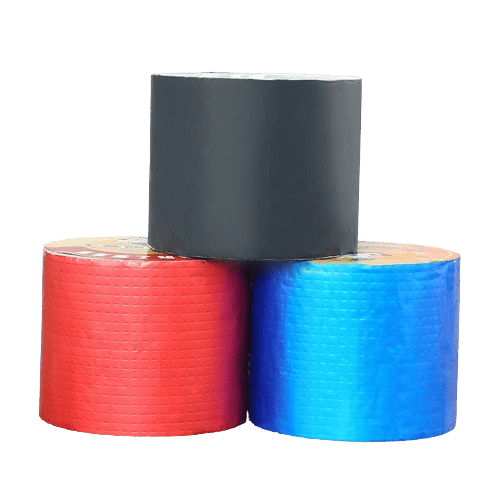
7.Seal Gaps:Use sealant or aluminum tape to seal any gaps between boards and around edges to ensure a continuous insulation layer.
8.Apply Finish: Depending on the application, apply the final surface layer, such as drywall for interior walls or cladding for exterior walls.
9.Inspect the Installation:Check for any missed spots, gaps, or areas that need additional sealing.
10.Clean-up: Remove any installation debris and ensure the site is clean.
11.afety Gear: Wear protective clothing, gloves, masks, and goggles during installation to avoid irritation from fibers.
12.Ventilation: Ensure adequate ventilation in the space during and after installation.
 13.Compliance:Follow local building codes and manufacturer’s recommendations for installation.
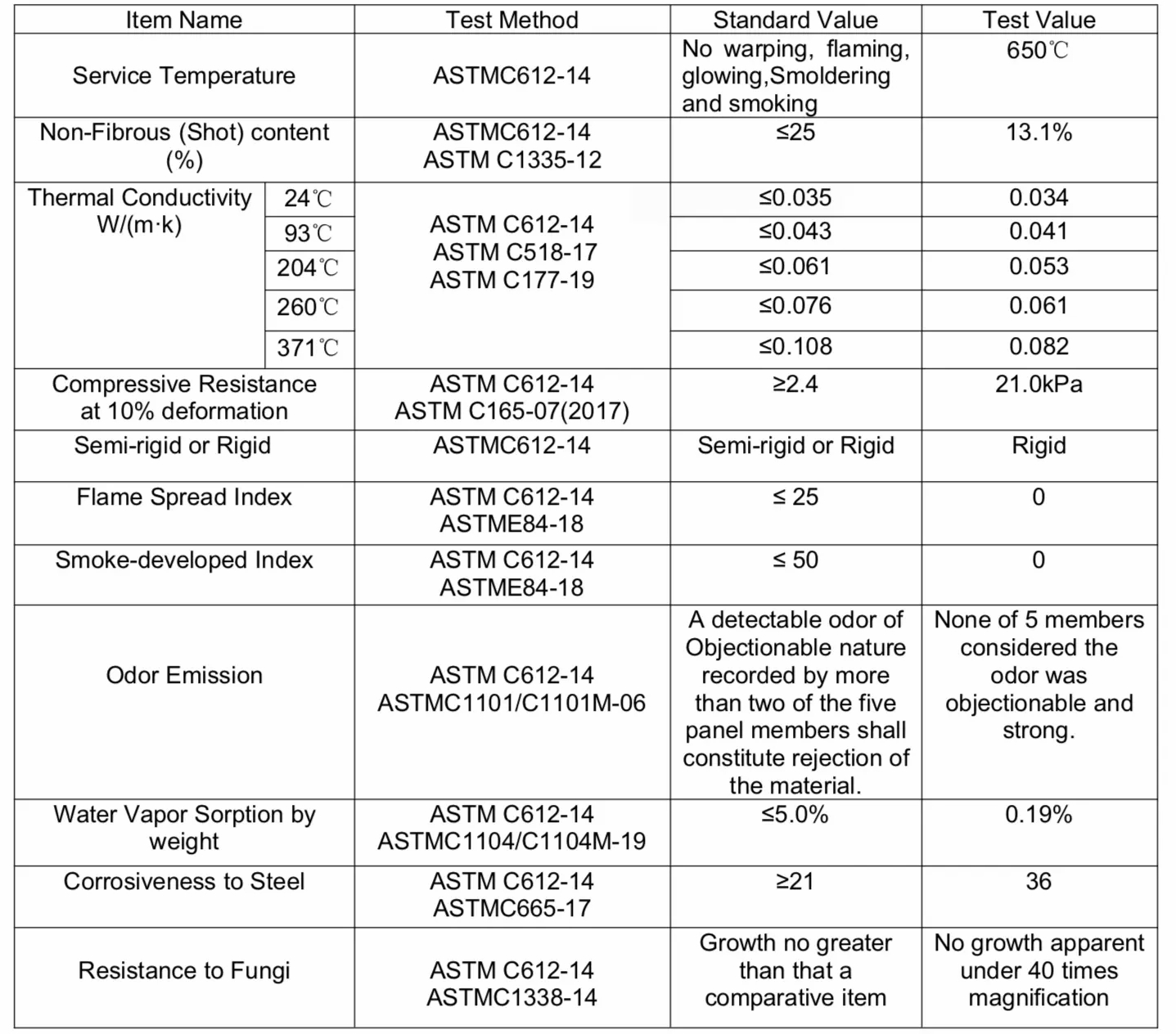
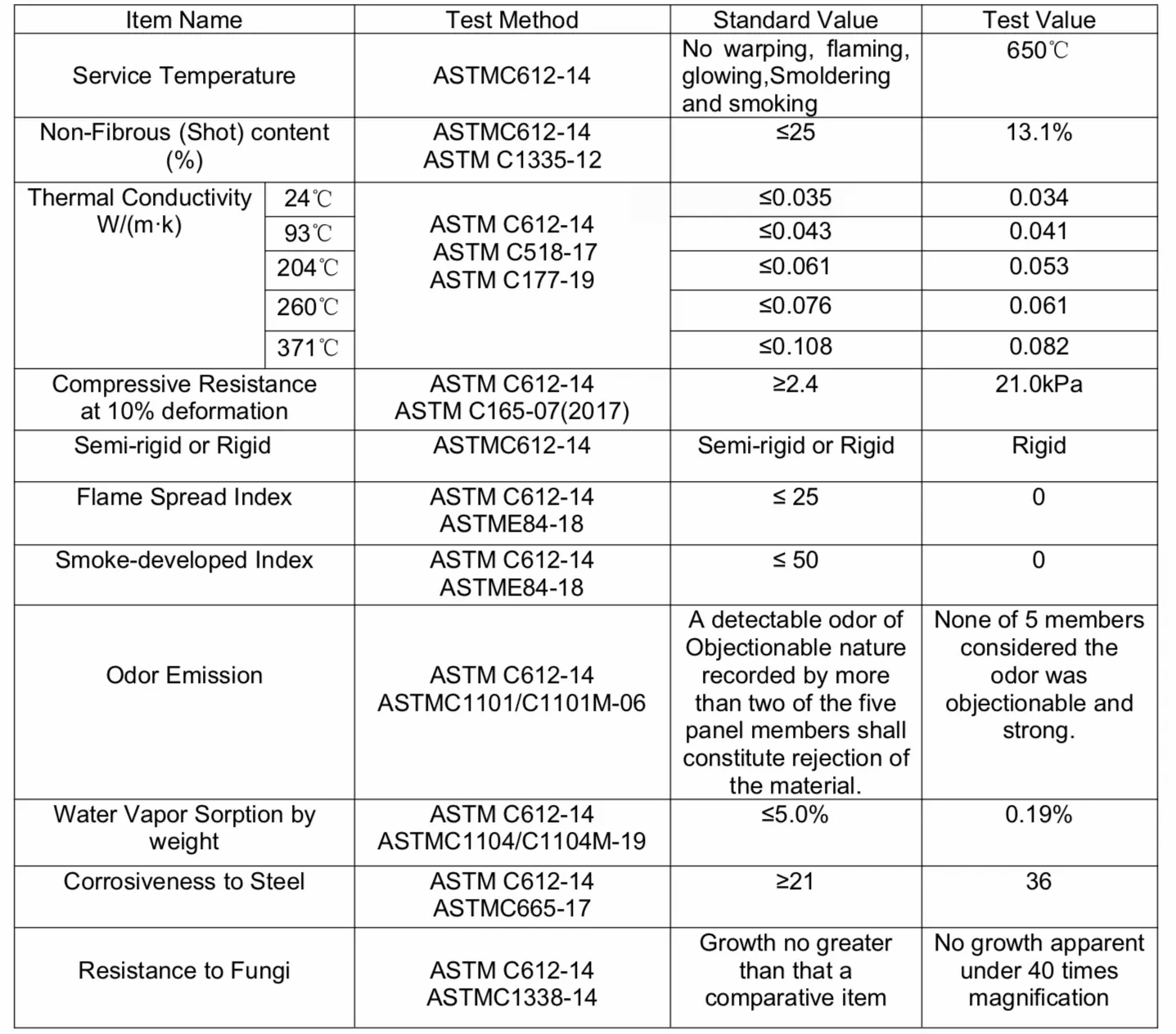
Technical Parameters: